


Busy Boards, also known as sensory boards, have become increasingly popular among parents and caregivers looking to engage their toddlers in a fun and educational way. These boards, filled with various everyday objects and sensory activities, are designed to keep little hands busy while encouraging important developmental skills. In particular, they are widely used by parents of toddlers and caregivers of autistic children to support sensory engagement and motor skill development.
In this article, we’ll explore the components commonly included on Busy Boards and discuss how each element contributes to a child’s growth and learning.
What Are Busy Boards?
Busy Boards are educational toys made up of a variety of tactile, visual, and interactive objects that promote fine motor skills and sensory exploration. They are designed for toddlers and children with special needs, such as autism, as a way to stimulate their senses and develop essential cognitive and physical skills. These boards can come in various shapes and sizes, but the purpose remains the same: to provide a safe, fun, and educational experience for young children.
Busy Boards are especially valuable because they offer children a way to learn through play. As children engage with the different components of the board, they practice coordination, problem-solving, and independent play—all while having fun.
Common Components of Busy Boards
Busy Boards usually feature a variety of everyday objects that are safe for little hands to manipulate. Here are some common components that you might find on a Busy Board:
1. Zippers:
Zippers help children practice opening and closing movements, which are excellent for fine motor skill development. Zipping and unzipping are daily tasks, and learning these early fosters independence.
2. Switches:
Various types of switches, such as light switches or toggle switches, provide a fun and safe way for children to interact with something they often see adults using. They help improve coordination and cognitive skills as children learn cause-and-effect relationships.
3. Buttons:
Buttons of different sizes and shapes offer an opportunity for kids to practice pushing and pressing. Like switches, they introduce cause-and-effect thinking and also help develop finger strength.
4. Gears:
Colorful gears that turn when rotated are often included on Busy Boards. These gears can engage children in problem-solving and understanding mechanical movement. It’s a great way to introduce basic physics concepts in a fun and engaging manner.
5. Latches:
Latches of different types, such as hook-and-eye or sliding latches, encourage problem-solving and fine motor control. Children love the challenge of figuring out how to unlock and relock latches, keeping their hands and minds busy.
6. Mirrors:
Mirrors are another popular addition to Busy Boards. They provide visual stimulation and are a great way for babies and toddlers to engage in self-discovery. Seeing their reflection often encourages curiosity and interaction.
7. Locks and Keys:
Simple locks and keys are a favorite on Busy Boards. The act of unlocking and locking objects helps with hand-eye coordination and builds concentration skills. It’s also an excellent activity for children to practice patience and perseverance.
8. Tactile Surfaces:
Busy Boards frequently include a variety of textured surfaces, such as felt, sandpaper, or smooth wood. These textures allow children to explore different sensations, which is particularly beneficial for autistic children who may crave certain sensory experiences.

Materials and Design Considerations
Busy Boards are designed with safety and durability in mind, especially since they’re used by toddlers and children with special needs. Most Busy Boards are made from sturdy materials like wood, ensuring they can withstand constant use and exploration. Components are securely attached, and all materials are non-toxic to prevent any harm to children.
When creating or purchasing a Busy Board, parents and caregivers should ensure that the board is free of sharp edges or small parts that could pose a choking hazard. At BumblebeeSmart, every Busy Board is carefully crafted to meet the highest safety standards, making them safe for even the youngest users.
Customization and Themed Busy Boards
One of the great things about Busy Boards is that they can be customized to suit the preferences or developmental needs of a child. Many parents choose to personalize their child’s Busy Board with specific themes, colors, or even characters that the child enjoys.
For example, a toddler who loves animals might have a board featuring animal shapes and textures, while a child with autism might benefit from a board tailored to their sensory preferences—whether that’s extra tactile surfaces or certain calming elements like soft lights.
At BumblebeeSmart, there are plenty of options for creating a custom Busy Board that will cater to a child’s unique developmental needs, ensuring the child has a personalized and meaningful sensory experience.
Developmental Benefits of Busy Boards
Busy Boards offer a wide range of developmental benefits for toddlers and autistic children. Here are some of the most significant advantages:
-
Fine Motor Skills: Many of the activities on a Busy Board, like manipulating zippers, buttons, and latches, help children develop the fine motor skills they need for everyday tasks.
-
Hand-Eye Coordination: The interactive components, such as turning gears or pressing buttons, encourage children to use both their hands and eyes in a coordinated way, sharpening their coordination skills.
-
Problem-Solving: Figuring out how to unlock a latch or press a button to see what happens helps children develop their problem-solving skills and cognitive abilities.
-
Independent Play: Busy Boards provide a great opportunity for children to engage in independent play, allowing them to explore and learn at their own pace.
-
Sensory Stimulation: For autistic children, Busy Boards offer a safe and structured way to engage with different sensory experiences, which can be calming and beneficial for sensory processing.
Busy Boards are more than just a toy; they are a tool for learning and development. With various interactive components, they encourage fine motor skills, sensory exploration, and cognitive development—all while keeping children entertained.
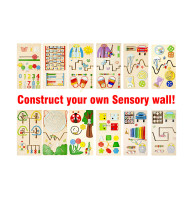
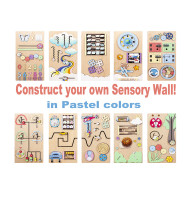
If you’re looking for a Busy Board for your child or want to explore sensory walls and other educational products, visit BumblebeeSmart to find the perfect match for your little one’s developmental needs. Our boards are designed with care, ensuring safety, quality, and hours of sensory fun for your child.



Write a comment