


Parents often ask the same question before purchasing a busy board: How long will my child actually use it?
The answer depends on your child's age, interests and developmental stage. While every child is different, most children return to busy boards repeatedly because they offer a variety of hands-on activities that grow with their abilities.
Unlike many toys that lose their appeal after a few days, a well-designed busy board encourages independent exploration, problem-solving and sensory play, making it a favorite activity for months or even years.
How Long Do Toddlers Typically Play With Busy Boards?
Most children engage with busy boards for:
- Ages 1-2: 10-20 minutes at a time
- Ages 2-3: 20-45 minutes at a time
- Ages 3-5: 30-60 minutes or longer
Many children return to their busy boards multiple times throughout the day. Because each activity offers a different challenge, the board continues to feel new as children develop new skills.
Why Do Busy Boards Hold Children's Attention?
Busy boards combine several types of play in one activity center.
Children can:
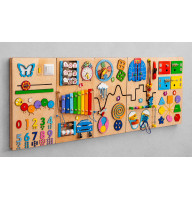
- turn gears;
- open latches;
- move sliders;
- spin wheels;
- practice hand-eye coordination;
- explore colors, shapes and textures.
This variety keeps children engaged longer than single-purpose toys.
Many parents also appreciate that busy boards promote independent play while reducing screen time.
Busy Board Playtime by Age
12-18 Months
At this age children are learning through touch and repetition.
Simple activities such as spinning wheels, flipping switches and moving sliders can hold their attention for 5-15 minutes at a time.
18-36 Months
This is often the peak age for busy board engagement.
Toddlers enjoy experimenting with cause-and-effect activities and mastering new challenges. Many children spend 20-45 minutes actively exploring a busy board before moving on to another activity.
Ages 3-5
Older children often use busy boards differently.
Instead of simply exploring, they focus on solving challenges, completing tasks and creating games. Wall-mounted sensory panels may remain part of a child's play environment for several years.
What Makes Some Children Play Longer?
Several factors influence how long children stay interested in a busy board:
Variety of Activities
Boards with multiple sensory elements provide more opportunities for exploration.
Age-Appropriate Challenges
Children remain engaged when activities are neither too easy nor too difficult.
Accessibility
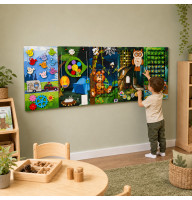
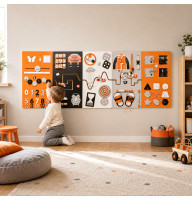
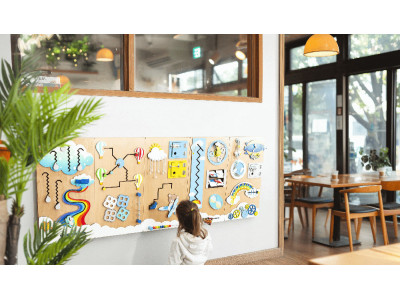
A wall-mounted sensory wall panel or busy board that is always available encourages frequent independent play.
Rotation and Discovery
Parents can maintain interest by occasionally introducing new activities or encouraging children to explore features they may have overlooked.
Do Children Outgrow Busy Boards?
Most children begin using busy boards around their first birthday and continue enjoying them through the preschool years.
As children grow, they often transition from simple busy boards to larger activity walls and more advanced sensory play equipment.
The key is choosing a board that offers enough variety to grow alongside your child's development.
Developmental Benefits Beyond Playtime
The value of a busy board is not only measured by how long a child plays.
Busy boards help develop:
- fine motor skills;
- hand-eye coordination;
- concentration;
- problem-solving abilities;
- independent learning skills;
- sensory processing.
Many parents notice that children return to the same activities repeatedly as they practice and master new skills.
Conclusion
So, how long do kids play with busy boards?
Most toddlers engage with a busy board for 10-45 minutes per session and return to it throughout the day. Many continue using busy boards and sensory activity panels for several years as their abilities develop.
Whether you are choosing a first activity board for a toddler or looking for a larger interactive play solution, a quality busy board or sensory wall panel can provide countless opportunities for learning, exploration and independent play.




-400x300.jpg)

Write a comment