


With the arrival of spring and summer, the eagerness of children to discover their surroundings grows stronger. This natural inclination towards exploration can be nurtured by parents and educators through the construction of DIY Busy Boards for Toddlers and sensory walls. Such captivating and instructive devices are instrumental in advancing both motor abilities and sensory awareness, while also facilitating emotional comprehension among youngsters. Throughout this guide, we will present innovative concepts for Seasonal Touch and Feel Boards and sensory walls aimed at emotional learning, alongside an examination of the advantages associated with educational and learning toys.
DIY sensory walls
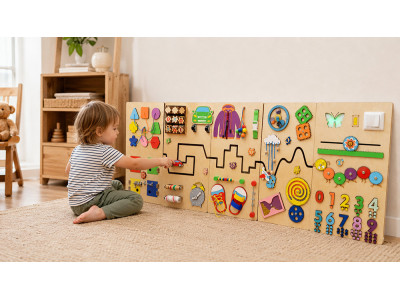
The process of assembling DIY sensory walls offers a splendid chance for parents and offspring to engage in meaningful interaction, constructing something that is both enjoyable and advantageous. Utilizing diverse materials enables the creation of a wall that activates all of a youngster's senses. For instance, affixing a mix of textured fabrics, diminutive mirrors, assorted clasps, and various other objects can transform a simple wall into an intriguing learning space. This activity not only provides entertainment but also promotes the development of dexterous abilities and sensory experiences.
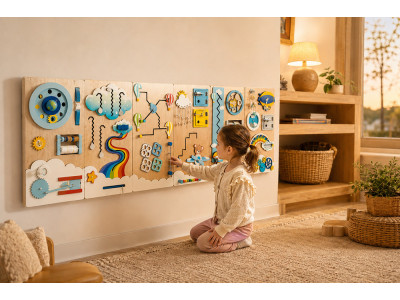
Adaptable to every season, sensory walls become even more captivating. During the vibrant spring months, features echoing the rebirth of the natural world can be introduced, while the summertime can be celebrated with maritime and beach-inspired elements. Such a strategy enriches the play environment and assists in deepening children’s comprehension of the dynamic nature of their surroundings.
Summer/Spring Sensory Play Ideas
The possibilities for Summer/Spring Sensory Play are diverse and can include water games, as well as activities using sand, stones, leaves, and other natural materials. Creating busy boards with seasonal elements stimulates children's exploratory interest and promotes a deeper understanding of the changing seasons. For instance, incorporating elements that mimic rain or sunbeams not only makes for an engaging activity but also teaches children the basics of meteorology in a playful manner.
Utilizing sensory walls for understanding emotions can help children better recognize and express their feelings. Through tactile sensations and visual images, children can learn to identify and name various emotions, which is a crucial step in their emotional development.
Sensory wall panels offer ready-made solutions for creating educational and developmental areas in children's rooms or educational institutions. They can be made from various materials and include a range of contents: from textured panels to interactive elements. The advantage of these panels lies in their durability and the ability to adapt to various educational objectives.

Eco-Friendly Sensory walls
In the quest for creating engaging and developmental spaces for children, eco-friendly sensory walls stand out as an innovative solution. These walls, designed with sustainability in mind, use natural and recycled materials to offer a rich sensory experience. They are not only beneficial for children's development but also instill an early appreciation for environmental conservation. This section delves deeper into the concept of eco-friendly sensory walls, highlighting their importance, materials used, and ideas for incorporation into educational and home settings.
Importance of Eco-Friendly Sensory Walls
Eco-friendly sensory walls play a crucial role in today's educational and play environments by blending developmental benefits with environmental responsibility. They provide a tactile and visual experience that is vital for sensory development in children, such as fine motor skills and cognitive abilities. Moreover, by utilizing environmentally friendly materials, these walls convey a message of sustainability and respect for the planet, teaching children the importance of preserving natural resources from a young age.
Materials Used in Eco-Friendly Sensory Walls
The construction of eco-friendly sensory walls focuses on the use of sustainable, non-toxic, and recycled materials. Here are some commonly used materials:
- Bamboo: A fast-growing, sustainable resource that is durable and has a natural texture.
- Recycled Wood: Reclaimed wood not only reduces waste but also adds a rustic charm to sensory walls.
- Cork: Biodegradable and renewable, cork is soft and provides a unique texture for sensory exploration.
- Organic Fabrics: Cotton, wool, and hemp are used for their natural textures and are grown without harmful chemicals.
- Natural Stones and Pebbles: These provide an earthy element and can be used to create tactile exploration areas.
- Recycled Plastics: Used sparingly, recycled plastics can add color and versatility to sensory walls without harming the environment.
Ideas for Eco-Friendly Sensory Walls
Creating an eco-friendly sensory wall can be a fun and educational project. Here are some ideas to inspire your own designs:
- Nature Exploration Panel: Incorporate elements like bamboo tubes, cork squares, and sections of textured bark. Add compartments with different types of leaves, pebbles, and seeds for tactile exploration.
- Recycled Creativity Wall: Use recycled materials such as bottle caps, fabric scraps, and old buttons to create a colorful mosaic of textures.
- Garden Wall: Install planters on the wall where children can grow herbs and small plants. This not only adds a sensory element but also teaches them about the life cycle of plants.
- Texture Pathway: Create a pathway using different natural materials such as smooth pebbles, rough bark, and woven grass mats. This can be an excellent sensory walk experience.
- Weather Station: Use elements like sun-bleached driftwood for sunny days, smooth stones for rainy weather, and fluffy cotton for clouds to help children understand and feel different weather phenomena.
Incorporating eco-friendly sensory walls into play areas or educational settings not only supports children's developmental needs but also fosters a deeper connection with the environment. By choosing sustainable materials and focusing on natural elements, parents and educators can create a meaningful and responsible sensory experience.Начало формы
Toys that facilitate learning and development play a key role in shaping children's skills and knowledge. Learning and educational toys not only entertain but also stimulate cognitive development, logical thinking, imagination, and creative abilities. They can be part of sensory walls or standalone elements in an educational space.
We invite you to visit our Bumblebeesmart store where you will find a wide selection of sensory wall panels and learning toys that contribute to your children's development. Create a unique educational environment for your child with our high-quality and eco-friendly products.

Write a comment