


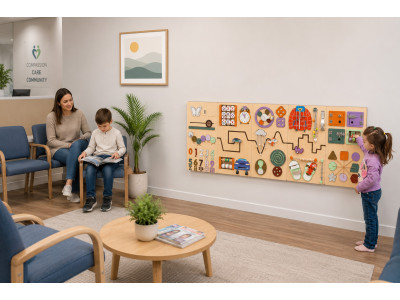
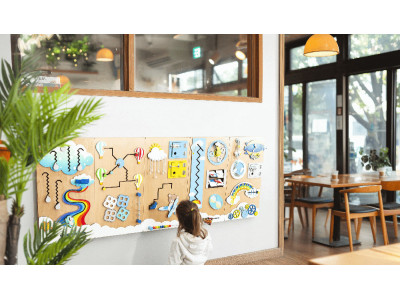
Parenting is a journey filled with opportunities to help our children learn, grow, and develop essential life skills. One fantastic tool that blends education with fun is an educational sensory wall panel. Whether you’re creating a Neutral Montessori Wall, designing a Calming Corner Equipment setup, or simply adding a Minimalist Playroom Wall Toy, sensory panels provide an engaging way for kids to explore, develop fine motor skills, and enhance their cognitive abilities.
Parenting Tips Using Sensory Walls
If you’re looking for ways to incorporate sensory activity panels into your child’s routine, here are ten motivational tips to inspire you:
- Create a Hands-On Learning Environment
Children learn best when they can see, touch, and explore new concepts. A Wall Mounted Sensory Board provides an interactive way to introduce colors, shapes, numbers, and textures, making abstract concepts more tangible and exciting.
- Encourage Exploration and Curiosity
Curiosity is the foundation of learning. By offering a Tactile Wall Panel for Toddlers with different textures and activities, you encourage your child to experiment, ask questions, and develop problem-solving skills. Let them explore freely, and you’ll be amazed at how they engage with the world around them.
- Promote Independence and Confidence
Sensory panels are great for self-guided play, allowing children to interact with different elements at their own pace. Whether it’s pressing buttons, turning gears, or tracing patterns, these activities help build independence and self-confidence in their learning journey.

- Make Learning a Daily Habit
Consistency is key in child development. Set aside a few minutes daily where your child interacts with the Sensory Activity Panel for Kids. Whether it’s before bedtime or during playtime, making it a routine helps reinforce learning while keeping it engaging and stress-free.
- Develop Fine Motor Skills Through Play
Fine motor skills are crucial for tasks like writing, buttoning clothes, and using utensils. A Fine Motor Skills Activity Wall with knobs, sliders, and other small interactive elements helps strengthen your child’s hand-eye coordination and finger dexterity in a fun and natural way.
- Turn Playtime Into a Bonding Experience
Engaging with your child during play strengthens your parent-child relationship. Ask them questions like, “What does this texture feel like?” or “Can you find the red button?” This interaction not only improves their communication skills but also creates special bonding moments.
- Incorporate Themed Learning
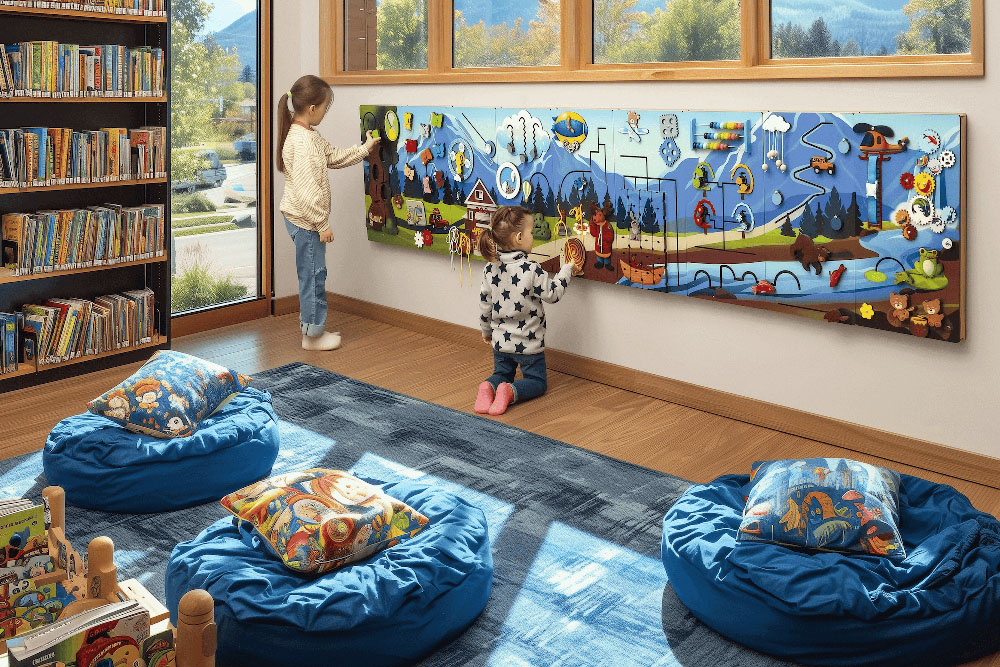
Make learning immersive by matching a Natural Wood Activity Panel with different themes. If your child is learning about animals, numbers, or letters, customize the panel with related visuals and textures. Themed learning makes it easier for kids to connect new knowledge with real-world experiences.
- Encourage Multi-Sensory Learning
A Modern Sensory Board engages multiple senses—touch, sight, and sometimes sound—helping children process and retain information more effectively. By combining different sensory inputs, children are more likely to stay engaged and enjoy learning.
- Support Special Needs and Sensory Processing
For children with sensory sensitivities or developmental delays, a Quiet Playroom Decor setup with interactive elements can provide a calming and therapeutic experience. The variety of textures and activities helps them self-regulate emotions, develop sensory integration, and improve focus.
- Celebrate Achievements and Progress
Recognizing your child’s milestones—whether it’s identifying a new shape, improving coordination, or completing a sensory task—boosts their motivation and self-esteem. Celebrate their progress with words of encouragement, high-fives, or even a small reward!
Final Thoughts About Smart Parenting
A Sensory Room Decor setup isn’t just about aesthetics—it’s about creating an Interactive Educational Wall where kids can explore, develop essential skills, and have fun.
By incorporating these tips into your daily routine, you can create a nurturing environment where your child feels excited to learn, explore, and grow.





Write a comment