


Why Colors Are More Than Just Pretty
The role of color in early childhood development is easy to overlook. Colors are everywhere, and we see them all the time without thinking much about it. Parents often ask when do toddlers learn colors, and the answer says a lot about how children learn in general. For babies and young children, colors do more than decorate. They are one of the first ways children sort out what they see, touch and feel every day.
When a baby reaches for a bright yellow ball or watches a red toy spin on the wall, they are noticing differences and reacting to them. That is where color in early childhood development begins.

When Do Toddlers Learn Colors?
Most toddlers learn colors gradually between about 18 months and 4 years. Many start matching colors before age 2, begin naming one or two colors around 2 and a half to 3, and name several basic colors by around 4. The CDC's developmental milestones for 4-year-olds list "names a few colors of items" as a typical skill at that age.
Every child moves at their own pace, and matching usually comes well before naming. A toddler may happily put all the red blocks together long before they can say "red".
| Age | What many children do with color |
|---|---|
| Under 1 year | Notice bright, high-contrast colors and reach for colorful objects |
| 18 months to 2 years | Start matching and sorting objects by color |
| 2 to 3 years | Point to a color when you name it, and begin saying one or two color words |
| 3 to 4 years | Name several basic colors and use them in sentences, like "the blue car" |
You can help toddlers learn colors through everyday play: name colors as you go, sort toys into color groups, and ask "can you find something green?" Hands-on activities with clear, distinct colors make the differences easier to see. If you have concerns about how your child sees or names colors, talk to your pediatrician.
How Kids React to Color in Early Childhood
Young children respond quickly to bright, bold colors. That is why so many learning toys use red, blue, yellow and green. These shades stand out, are easy to tell apart and help children stay interested.
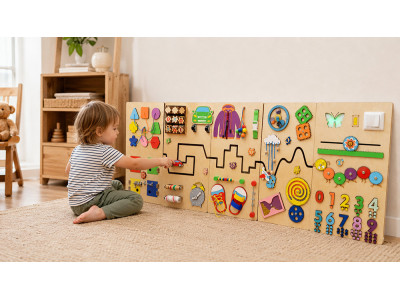
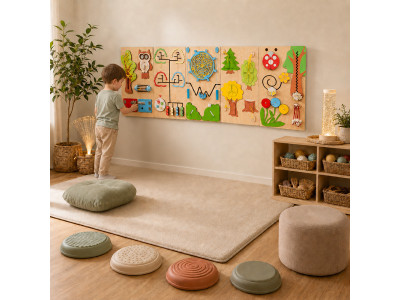
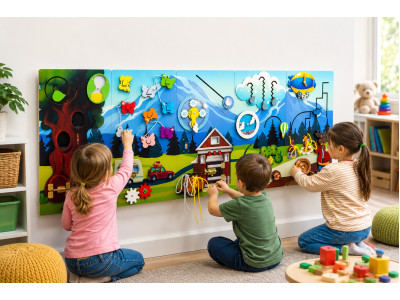
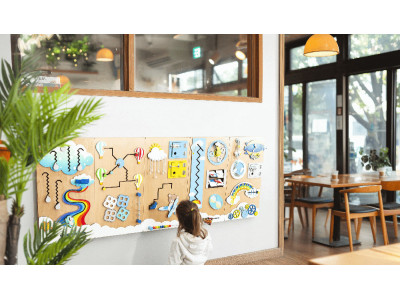
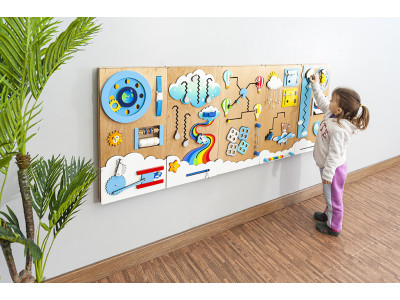
That is where design plays a big role. In many spaces for toddlers, you will see color used with purpose rather than everywhere at once. Sensory wall panels by BumbleBeeSmart are one example. Their mix of touch-and-see elements lets children explore color with their hands and eyes at the same time.
Color, Sorting and Early Thinking
When a toddler matches green blocks or finds all the blue shapes in a game, they are solving a small problem. They are grouping things, spotting differences and remembering what they found.
Color is part of everyday learning, and this is where color in early childhood development shows most clearly. Children use it to work out how objects go together and what belongs where. Sorting and matching like this are the same kinds of skills educators build on later in early math and reading activities.
Talking About Color Builds Language
As toddlers learn colors, color words become some of the first describing words they use. Words like "red", "blue" and "green" give them a way to talk about the things around them. Once they have those words, it gets easier to build short phrases like "blue car" or "green cup".
Color is something children can see and touch, which makes it easy to talk about together. Colorful puzzles, picture books and interactive boards all give adults and children something to name side by side.

Color and Confidence
When a child gets a color match right or names a color out loud, it feels like a real achievement to them. That "I did it!" moment encourages them to try the next thing.
Sensory boards and panels that mix texture, shape and color let children experiment without a right or wrong answer. Because they are wall-mounted and always within reach, children can press, turn and match colors at their own pace, which supports independent play.
Color, Mood and the Feel of a Room
Many educators and designers use color to shape how a room feels. Softer shades such as light blue or pale green are often chosen for quiet corners, while warmer, brighter shades are used for active play areas. Research on how specific colors affect children's mood is mixed, so it helps to think of color as one tool among many rather than a guaranteed effect.
What matters most is balance. A room with strong color everywhere can feel busy and distracting. A room with no color at all can feel flat. Children tend to settle best in spaces where color is used with a purpose. Different families and cultures also attach different meanings to colors, which is another reason to keep choices simple and flexible.
Color Makes Learning Tools Easier to Use
Toys, books and activity walls use color for a reason. Color shows a child where to look and helps them tell one part from another. That is why many tools for young learners use clear visuals and color-coded parts, which also help while toddlers learn colors.
The same applies to a sensory wall panel. Clear color contrast between the board and its activities guides a child's eyes and hands from one task to the next.
Letting Kids Explore
Toddlers learn colors, like most things, best when they are allowed to explore. They do not need expensive toys or formal lessons. They need time and space to notice, react and try things on their own. Mixing paints, sorting buttons and drawing with crayons all add up.
Give them something colorful and safe to explore, and they will do much of the rest. Everyday, hands-on play is where the power of color in early childhood development really shows.
Using Color in Preschool and Nursery Wall Design
Walls set the tone of a preschool or nursery classroom. A few simple rules help: keep most of the wall calm and neutral, use stronger color in one or two areas children actually use, and place activities at child height. Too many bright colors everywhere can make a room feel busy and hard to settle in. For more layout ideas, see our guide to wall decor for playrooms and classrooms.
If you are adding a sensory wall to a room, put what you know about color in early childhood development to work. The palette sets the mood of the space as much as the activities do.
- Bright and bold works well for active play areas and while toddlers learn colors and their names. Our rainbow busy board uses clear, saturated colors that are easy to tell apart.
- Soft pastels suit nurseries, calm corners and rooms that already feel busy. See our pastel sensory wall panel.
- Earth tones bring warmth without overwhelming a room, which many daycares like for shared spaces. Our earth colours sensory wall panel is one example.
- Natural, muted colors fit Montessori-style spaces that keep decoration simple. Try our natural colours sensory wall panels.
For panels that respond with light when touched, browse our interactive wall decor.
Frequently Asked Questions About Toddlers and Colors
When should toddlers know their colors?
There is a wide normal range. Many children match colors before age 2 and name one or two around age 3. The CDC lists naming a few colors as a typical skill by around age 4. Not knowing color names at 2 or 3 is common and usually nothing to worry about.
How does color play support early learning in young children?
Color play gives children practice with matching, sorting and comparing, which are early thinking skills. Naming colors together also builds vocabulary. Hands-on color activities, such as sorting blocks or turning colored gears on a board, add fine motor practice at the same time.
What are the best colors for child development?
No single color is best. Babies notice high contrast first, and toddlers learning color names do well with clear, distinct primary colors. For rooms, many educators pair a calm, neutral base with stronger color in play areas, rather than bright color everywhere.
Why do kids like colorful things?
Bright, contrasting colors are easy for young eyes to pick out, so colorful objects grab attention quickly. Color also makes it easier for children to tell things apart, which helps them explore and play on their own.
How can I help my toddler learn colors?
Keep it part of everyday play. Name colors as you use them, sort toys or laundry by color, and play simple finding games like "can you find something red?" Focus on one or two colors at a time, and let matching come before naming.
Ready to inspire hands-on learning? Explore the full range of sensory wall panels and create a safe, colorful space where your kids can thrive.






Write a comment