


The room was unusually quiet for a Monday morning. Ms. Taylor glanced across her second-grade classroom and noticed something different. For the first time in weeks, Elijah - who usually struggled with sitting still and focusing - was calmly standing near the sensory wall. His fingers traced a series of raised textures, moving from bumpy surfaces to smooth spinners. His breathing slowed, his shoulders dropped. Within minutes, he walked back to his seat and joined the reading circle. It was a small but powerful reminder of how sensory walls can support inclusive classrooms by giving every student a way to re-center and rejoin learning.
Ms. Taylor later reflected that Elijah had not needed discipline or redirection - he had needed support. That simple panel on the wall, installed just a few weeks earlier, had given him a place to regulate his energy and return to learning without disruption. For students like Elijah, sensory tools are not a distraction; they are a pathway to self-regulation and connection.
When Sensory Needs Go Unmet in the Classroom
Many students enter the school day carrying more than backpacks. Some bring heightened sensitivity to sound, touch or movement. For students with autism, ADHD or sensory processing challenges, the sights and sounds of a typical classroom - buzzing lights, shifting chairs, overlapping conversations - can quickly become overwhelming.
What might appear as zoning out, fidgeting or acting out is often a student's way of coping with this overload. The brain is doing its best to stay safe and focused, but without support, students may shut down, lash out or disengage from learning altogether.
Educators and therapists increasingly recognize that behavior is communication. When a child pushes away from the group or covers their ears, it's not defiance - it's a signal that they need help managing their sensory experience. Schools that respond with empathy and tools - not just rules - create an environment where more children can thrive.
Sensory Walls as a Universal Support Tool
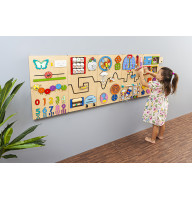
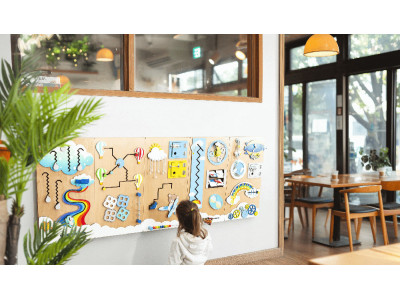
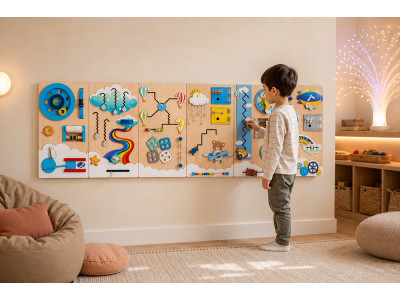
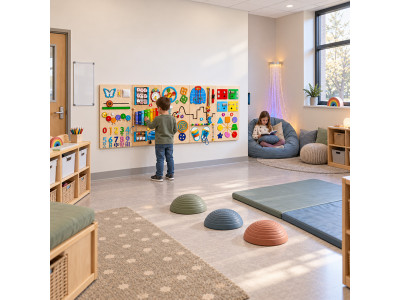
Sensory walls offer students a way to connect with their environment on their own terms. These walls include tactile elements like sliders, gears, soft fabrics, mirrors or pressure pads. They can be placed in hallways, quiet corners or directly in classrooms.
Importantly, these tools are not just for students with specific diagnoses. All children benefit from opportunities to reset their nervous systems during the school day. A few minutes spent tracing lines, spinning wheels or feeling textured panels can help students refocus, self-soothe and re-enter group activities with greater calm.
Students with autism often use sensory walls to regulate after a transition or challenging task. Those with ADHD may visit to release extra energy in a controlled way. Students with anxiety find the predictability of sensory input reassuring. Even neurotypical students enjoy the calming effect of tactile engagement.
Rather than pulling students away from learning, these walls support attention, emotional balance and a sense of security. They're not a reward or a break - they're part of the learning environment itself.
Bringing Sensory Tools into Daily School Life
Incorporating sensory walls into school routines doesn't require a major renovation. One simple panel can make a big difference when used consistently and with care.
In many classrooms, sensory panels become part of morning check-ins or transitions between subjects. Some teachers create a routine where students take a short visit to the panel before group work, while others use it as a calming station when emotions run high.
Strategically placing a wall in a hallway or reading nook allows for quiet access without singling out students. Teachers may also assign sensory support roles - like panel monitor or materials helper - to build classroom ownership and reduce stigma.
It's essential to explain the purpose to all students. When children understand that the wall is a tool to help them feel better and focus, they're more likely to use it responsibly. Creating clear but flexible guidelines helps ensure the space supports all learners.
What Educators Are Observing in Practice
Educators across various settings report similar outcomes: fewer outbursts, more on-task behavior and a calmer classroom culture overall.
In one elementary school, a second-grade teacher noticed that introducing a sensory panel near the door significantly reduced morning meltdowns. Another school integrated a panel into their library corner, offering a gentle re-entry point for students returning from overstimulating environments like assemblies or lunch.
A school psychologist shared that some children initially labeled as disruptive began showing signs of increased self-awareness. Instead of escalating, they quietly chose to spend a moment at the wall, returning to the group with renewed focus.
Far from being isolating, sensory walls often create a bridge. Students who once withdrew are more willing to interact and peers begin to show more understanding and acceptance. These tools don't just support individuals - they build inclusive classroom cultures.
Inclusion Means Meeting Needs Proactively
True inclusion doesn't stop at physical presence. It involves creating spaces where every child feels seen, supported and safe. Sensory walls offer one of the many small but powerful ways educators can move toward that goal.
By responding to students' sensory needs proactively, schools show they value every learner's experience. It's not about labels or exceptions - it's about recognizing that all students benefit from environments that support regulation and engagement.
The impact of a sensory wall is often quiet but profound. A moment of calm. A returned focus. A step toward independence. For the children who need it most, that moment can change the course of a school day - and over time, build the foundation for greater success and belonging.
In classrooms where sensory needs are respected and supported, students don't have to struggle in silence. They can thrive - one panel, one moment, one connection at a time.
Looking to Add a Sensory Wall to Your Space?
Support your students’ focus and wellbeing with our handcrafted sensory wall panels. Perfect for classrooms, clinics, libraries and more - designed with inclusion in mind.




Write a comment