


Parents increasingly compare daycare facilities not only by curriculum, but also by the learning environment they provide. Interactive sensory wall panels, calming corners and well-planned play areas have become features that help daycares and learning centers stand out while supporting independent play and inclusion.
Wall-mounted sensory activities encourage children to explore, solve small problems and practice fine motor skills through hands-on play. At the same time, they help educators keep classrooms organized and space-efficient. For daycare owners, a thoughtful sensory play area improves the everyday experience for children and makes a strong first impression on visiting families.
In this guide, you'll see how sensory wall panels, calming corners and interactive learning spaces can make your daycare more appealing to parents and more welcoming for children of all abilities.
Design a Better Daycare with Sensory Wall Panels
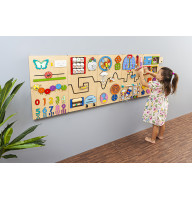
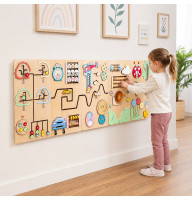
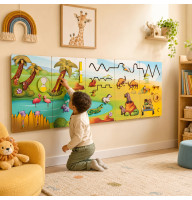
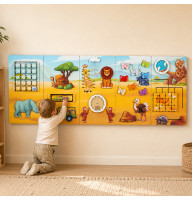
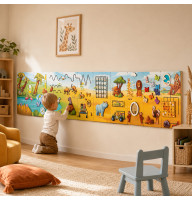
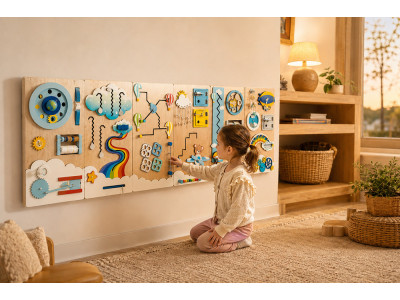
Our collection of sensory wall panels for daycare is designed for daycares, preschools, learning centers and early childhood classrooms. Durable, wall-mounted activity panels help create engaging learning environments while saving valuable floor space.
Why Parents Choose Daycares with Sensory Play Areas
Choosing a daycare is one of the most important decisions parents make. Beyond educational programs and qualified teachers, families look for engaging, safe environments where their children can learn through play. A thoughtfully designed sensory play area shows that commitment the moment a family walks in.
Interactive sensory wall panels make a strong impression during daycare tours and stay useful every day after. Unlike loose toys, wall-mounted activities remain organized, accessible and ready to use without creating clutter.
- Encourages independent play by giving children hands-on activities they can explore at their own pace.
- Gives fine motor practice through interactive elements such as gears, sliders, locks, switches and spinners.
- Keeps children engaged in classrooms, hallways and waiting areas.
- Shows investment in learning, so parents can see that your daycare values hands-on play.
- Creates memorable tours with a play space that children naturally want to explore.
For daycare owners and learning centers, sensory wall panels are more than equipment. They are a long-term investment in the learning environment that helps set your facility apart from other childcare providers.
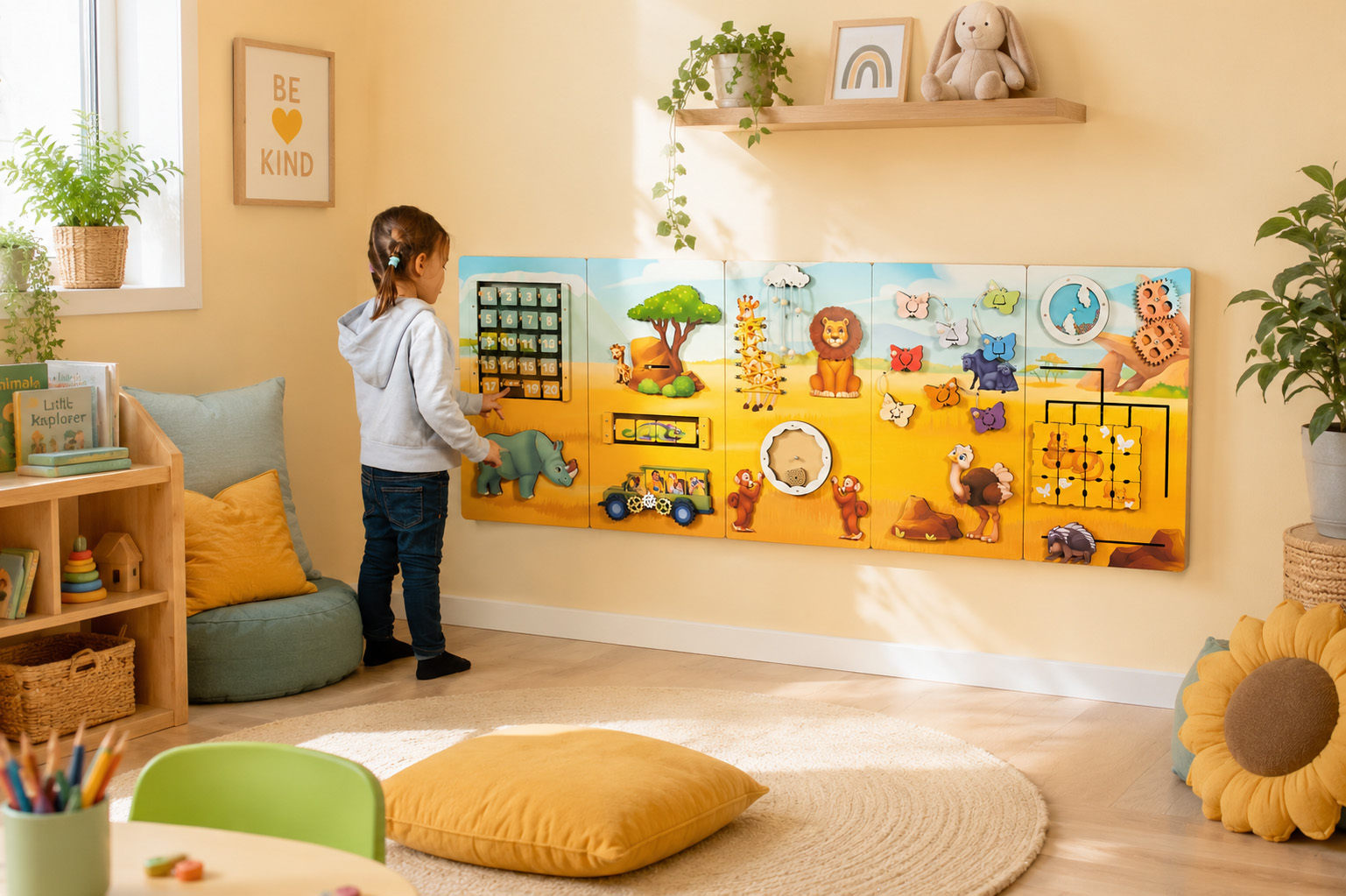
1. Sensory Wall Panels for Early Learning
Sensory wall panels are one of the simplest ways to make a daycare or learning center more engaging for young children.
What Are Sensory Panels?
They are interactive wall-mounted boards with different textures, gears, switches, locks and other hands-on elements. Many people know them as busy boards. They are designed to spark curiosity and keep little hands busy, and children practice real skills while they play.
Why Sensory Panels Suit Daycares and Learning Centers
- Fine motor practice: turning knobs, sliding locks and pressing buttons give little fingers regular practice with grip and coordination.
- Problem-solving: figuring out how a latch opens or which gear turns another invites trial and error.
- An inclusive space: panels can be used by children with different abilities and sensory preferences, side by side.
- Saved space: because they mount on the wall, they don't take up floor space, which suits smaller classrooms and play areas.
Sensory wall panels are a practical way to bring hands-on learning into a room without adding clutter.
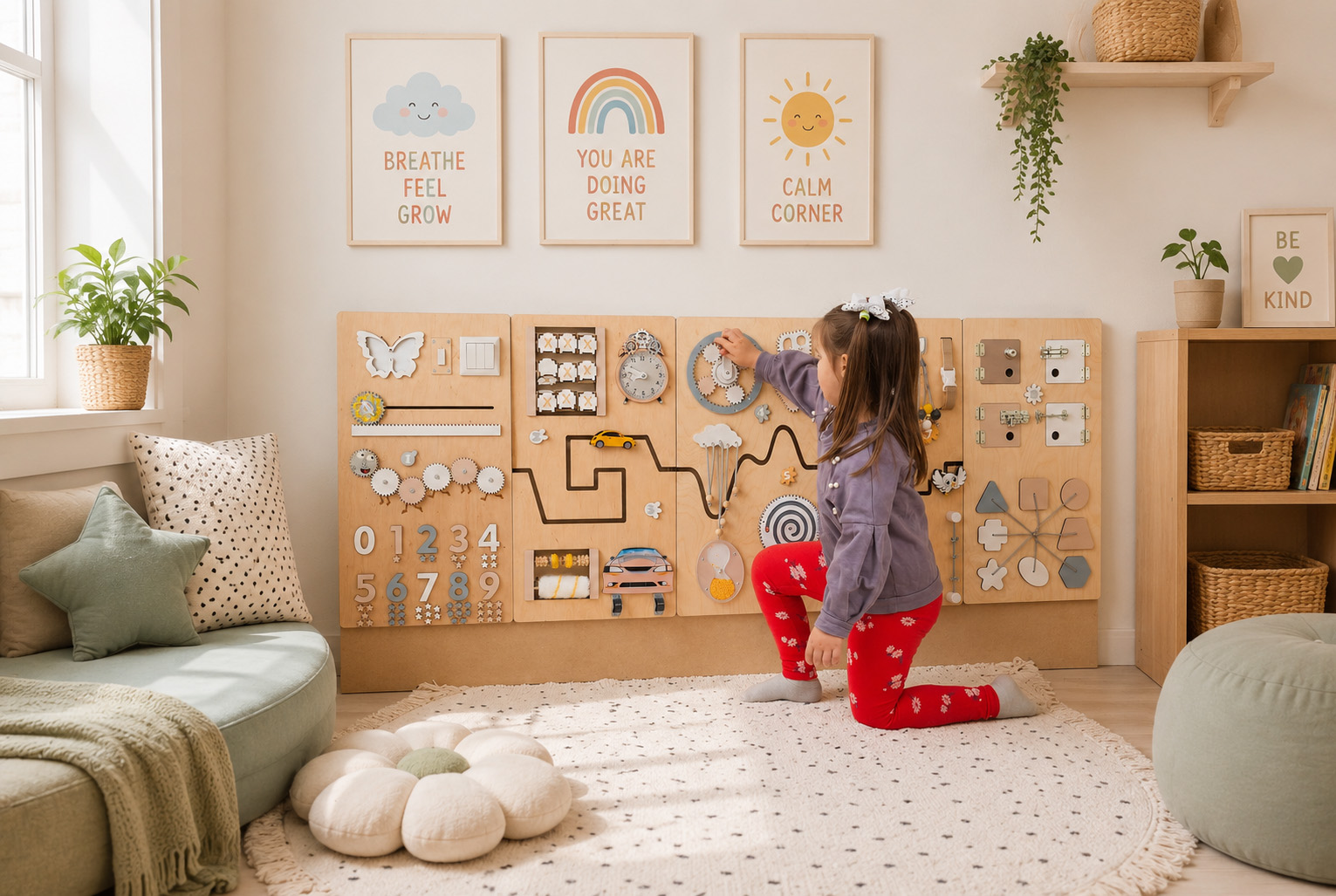
2. The Calming Corner: A Quiet Space to Recharge
Sometimes children just need a break. Whether they feel overwhelmed, frustrated or overstimulated, a calming corner gives them a quiet spot to rest and reset before rejoining the group. Some schools extend the same idea into a full sensory break room.
What Makes a Good Calming Corner?
Creating a cozy, soothing space doesn't have to be complicated. Most calming corners include:
- Soft mats and pillows: comfortable seating helps children feel safe and relaxed.
- Sensory panels: textured surfaces and quiet interactive elements keep hands busy in a calm way.
- Fidget toys: small objects to hold and squeeze give children something to focus on.
- Soft lighting: warm, dimmable light makes the space feel different from the busier room around it.
Why Many Learning Spaces Have One
Educators often use calming corners because they:
- Give children a way to step back when feelings get big, instead of being removed from the room.
- Help children who are sensitive to noise and activity, who may need a quieter place during the day.
- Make it easier to rejoin the group after a short, self-chosen break.
With a little planning, a calming corner can make any classroom feel more supportive for every child in it.
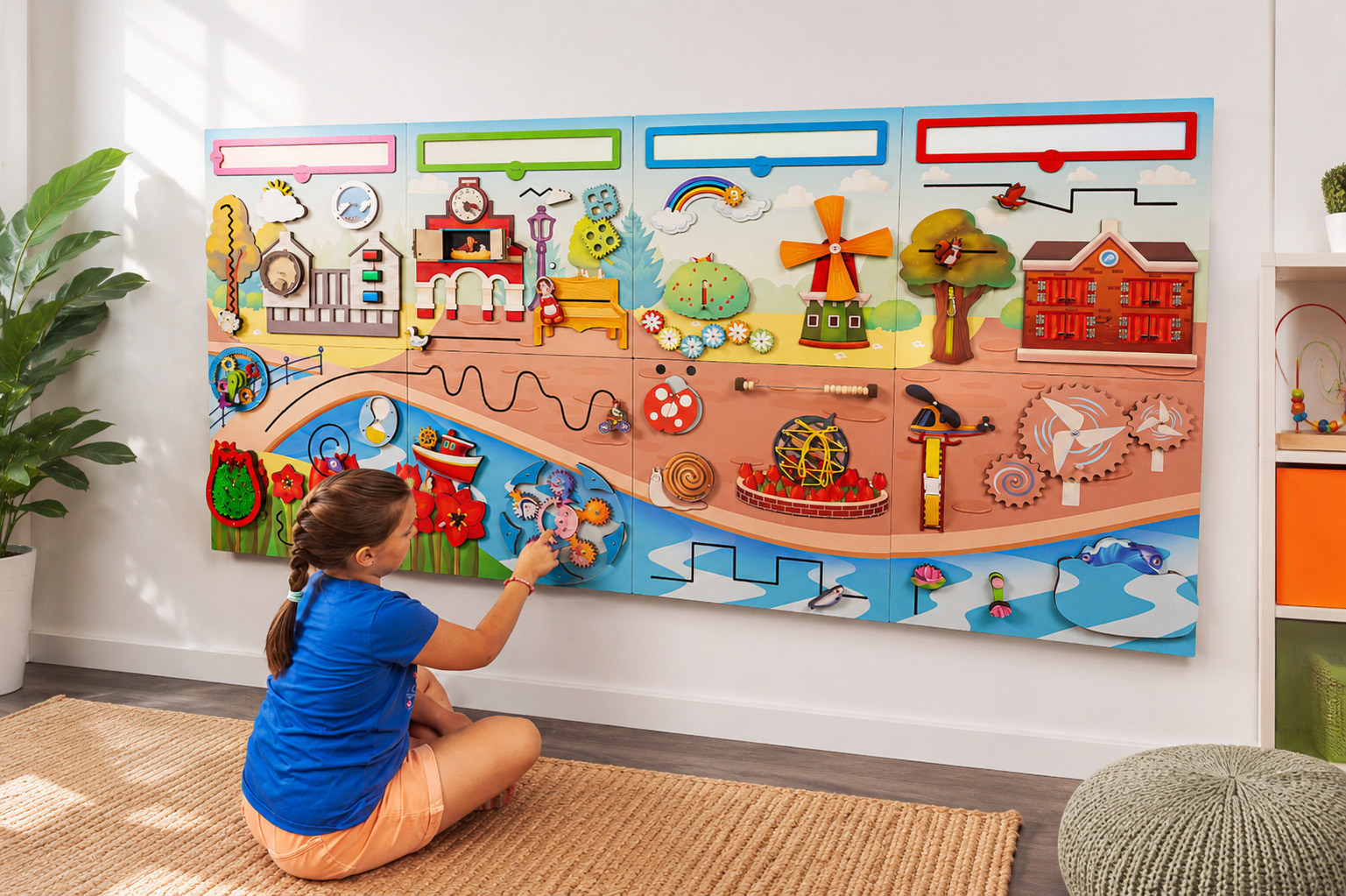
3. Interactive Wall Decor: Where Learning Meets Play
Instead of plain walls, imagine bright, hands-on panels that invite children to touch, explore and learn. Interactive wall decor turns unused wall space into part of the play area.
Ways to Use Interactive Walls
- Educational panels: letters, numbers and shapes give children everyday contact with early literacy and math.
- Musical and light elements: touch-sensitive panels that respond with sound or light show cause and effect clearly.
- Logic puzzles and mazes: peg maze boards and similar activities ask children to plan a few steps ahead.
Why Children and Educators Like Them
- Engagement: hands-on activities hold attention and make learning feel like play.
- Active learning: instead of sitting and watching, children interact and explore.
- Character: in a daycare, school or playroom, interactive panels make the room more inviting.
4. Inclusive Design: Making Every Child Feel Welcome
Every child deserves a space where they can play, learn and feel included, whatever their abilities. Inclusive design means creating an environment where every child feels comfortable and part of the group.
How to Make Your Space More Inclusive
- Mix textures and materials: smooth, rough and soft surfaces suit different sensory preferences.
- Think about height: mount activities at more than one level so children of different ages and abilities can reach them.
- Add audio and tactile cues: sound, texture and raised shapes make a space more engaging for children with visual or hearing differences.
For more on this, see how sensory walls support inclusive classrooms.
Why It Matters
When a space is designed for everyone, it builds a sense of belonging. Children feel more confident, parents feel reassured and the whole room becomes more welcoming.
5. How Play Areas Make Your Daycare a Parent Favorite
Parents want more than a place to drop off their children. They are looking for a safe, engaging environment where their little ones can learn and have fun. A well-designed play area makes that visible.
Why a Great Play Space Helps Your Daycare
- It impresses parents: a room with interactive sensory panels, creative play zones and hands-on activities shows that children will be engaged.
- It builds your reputation: happy families leave good reviews and recommend your daycare to friends.
- Children enjoy it: when children look forward to daycare, drop-offs tend to be easier and the day starts better.
Sensory wall panels, interactive decor and calming corners together create an inviting, inclusive atmosphere that appeals to both children and parents. Before you install anything, our sensory wall safety guide covers mounting, materials and inspection.
Frequently asked questions about sensory wall panels for daycare
Are sensory wall panels good for daycares?
Yes. Sensory wall panels encourage independent play, give children regular fine motor practice and help them stay engaged. Because they are wall-mounted, they also save classroom space, which suits daycares, preschools and early learning centers.
What age are sensory wall panels suitable for?
Most sensory wall panels suit children from around 12 months, once they can stand and reach. Different activities suit toddlers, preschoolers and early elementary-age children, so one wall can serve a mixed-age group.
How do you clean sensory wall panels?
Wipe the panels with a soft, damp cloth and mild soap. If your facility uses a specific disinfectant, contact us with the product name and we will confirm whether it is compatible with the panel finish.
Can sensory wall panels be customized?
Yes. BumbleBeeSmart offers custom sensory wall solutions tailored to your wall space, preferred colors and activity selection. Modular panels make it easy to build a sensory wall that fits your daycare or learning center.
Where should sensory wall panels be installed?
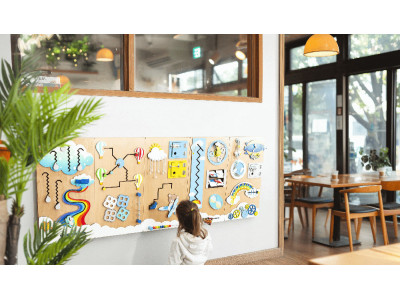
Sensory wall panels work in classrooms, hallways, reading corners, sensory rooms, indoor play areas, reception areas and waiting rooms. Wall-mounted installations keep floor space free while adding activities throughout the facility.
Are wall-mounted sensory panels safe for children?
Well-made wall-mounted sensory panels have rounded edges, securely attached components and sealed finishes. When installed correctly and inspected regularly, they hold up to everyday use in daycares, schools and therapy centers.
Create a Daycare Parents Remember
Interactive sensory wall panels turn ordinary classrooms into engaging spaces for exploration and independent play.
Explore the full sensory wall panels range, build a custom installation with our DIY sensory wall panel kit, or contact us to design a sensory play area for your daycare or learning center.




Write a comment