


The best toys for improving memory aren't screens or flashing apps - they're simple, hands-on games that turn recall into play. In a world full of devices, there's something refreshingly effective about classic childhood games, especially when they're part of a hands-on sensory experience.
Two of our favorite examples? Tic-Tac-Toe and Memory Match. These timeless games aren't just nostalgic - they're incredibly beneficial for young learners. When included on a large wall-mounted sensory board, they become even more engaging and developmentally enriching.
Matching Games: Some of the Best Toys for Improving Memory
Matching games are the simplest way to build memory through play. A child turns over pieces, holds an image in mind, and finds its pair - quietly practising working memory and concentration without it ever feeling like practice. Here are the memory toys and games we come back to again and again.
- Memory match (pairs). The classic: lay cards or tiles face down and find matching pairs. It builds recall and concentration, and you can make it easier or harder by changing the number of pairs.
- Pattern & sequence games. Show a short sequence of colours, shapes or sounds and ask your child to repeat it. Great for working memory, and it grows with them as the sequences get longer.
- "What's missing?" tray game. Lay out a few objects, cover them, remove one, and ask what's gone. A brilliant no-equipment memory game for younger children.
- Tic-tac-toe and simple strategy games. Beyond the fun, they nudge children to hold a plan in mind and think a step ahead.
- Light-up sequence games. Repeat-the-pattern games with lights and sounds add a sensory layer that many children find hard to put down.
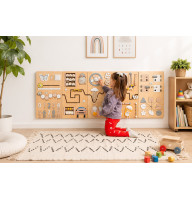
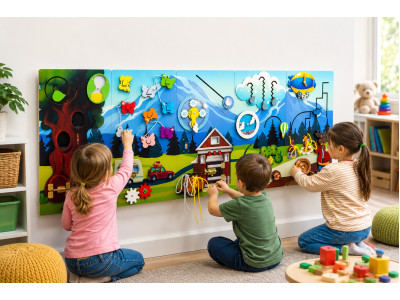
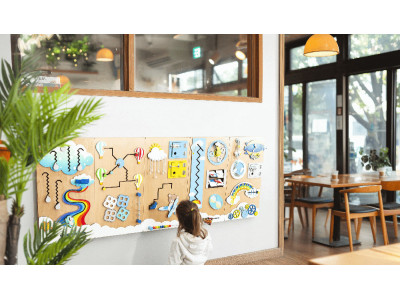
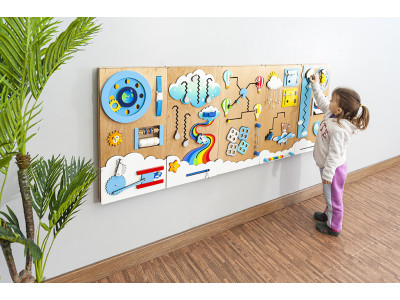
- Memory activities on a busy board. Matching latches, colour pairs and sequence elements built into a busy board keep memory play on the wall, always ready and never packed away.
Building a whole play corner? Pair these with other sensory development toys for variety.
Want memory games built into the wall?
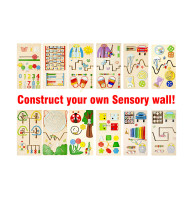
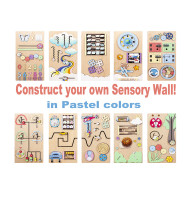
Build your own sensory wall set
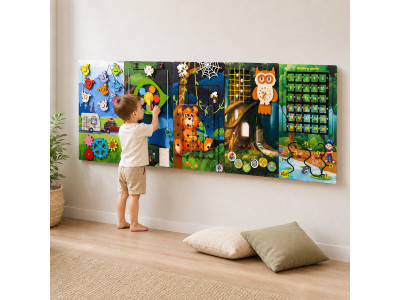
With our DIY sensory wall you choose the panels yourself - and you can add a memory-match game to the set.
Why These Simple Games Matter

Tic-Tac-Toe: A Strategy Game in Disguise
This simple game teaches more than just Xs and Os:
- Critical thinking - Children must anticipate their opponent's next move.
- Planning ahead - Success depends on thinking several steps forward.
- Turn-taking - Essential for social interaction and emotional regulation.
- Pattern recognition - Spotting the winning rows builds visual logic.
Memory Match: Building Recall Through Play
Flipping tiles and matching pairs helps children:
- Improve short-term memory
- Strengthen concentration and focus
- Develop visual discrimination skills
- Practice patience and attention to detail

Why Put These Games on a Sensory Wall?
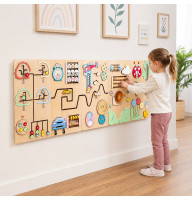
By integrating these activities into a wall-mounted sensory board, the benefits become even greater:
- Promotes active play - Children engage while standing, supporting better posture, balance, and core strength
- Large, tactile pieces - Designed for small hands, the components are easy to grip and manipulate
- Mess-free and organized - Everything stays in one place - no lost game pieces or scattered parts
- Visually appealing - Bright, engaging colors draw children in and hold their attention
Sensory walls turn simple games into purposeful play stations that are always ready for action. If you're choosing one, our guide to the best sensory wall panels for kids walks through what to look for.
Our Favorite Combo?
A quick round of Tic-Tac-Toe to practice strategy, followed by a Memory Game to sharpen recall. It's a fast, effective way to switch between types of thinking - logic and memory, movement and focus.
Both games work best with a partner, which makes them an easy way to play together as a family. For more ideas on shared play, see our guide to interactive busy board activities for families.
Perfect for Indoor Playgrounds in Any Environment
These low-tech, high-impact games work beautifully in:
- Homes and playrooms
- Classrooms and Montessori setups
- Pediatric therapy clinics
- Child-friendly waiting rooms
- Sensory spaces and indoor playgrounds
Whether a child is learning to take turns or building memory skills, these classic games offer repetition without boredom - a key ingredient in early childhood development.
Memory Activities for Older Adults
Memory games aren't only for children. Many families and carers use similar matching and tactile activities to support engagement and calm, purposeful activity for older adults, including those living with dementia. If that's what you're looking for, see our guide to busy boards for dementia. Our sensory wall panels for memory activities in dementia care can include matching and pattern elements sized and styled for adult use. These activities support engagement and gentle sensory activity; they aren't a medical treatment.
Final Thoughts
Simple doesn't mean basic. In fact, it's often the most straightforward activities that spark the biggest developmental leaps. When mounted on a sensory wall, Tic-Tac-Toe and Memory Match become more than games - they become some of the best toys for improving memory, focus and everyday problem-solving.
Frequently Asked Questions About Memory Games for Kids
What are the best toys for improving memory?
Hands-on memory games work best: matching pairs, pattern and sequence games, "what's missing?" tray games, and memory activities built into a busy board or sensory wall. They support recall and concentration through play rather than drilling.
How do matching games help memory?
Matching games ask a child to take in an image, hold it briefly in mind and find its pair - the everyday loop of working memory. Played little and often, they support recall, concentration and pattern recognition.
What age are memory games good for?
Simple matching and "what's missing?" games suit toddlers from around two, with more pairs and longer sequences added as children grow. Keep sessions short and playful rather than pressured.
Can memory games be built into a sensory wall or busy board?
Yes. Matching pairs, colour games and light-up sequence elements can all be built into a wall-mounted busy board, so memory play is always ready and nothing gets lost. Our busy boards range shows the options.
Watch these games in action on our YouTube channel.
Read more sensory play tips and ideas on our blog.


Write a comment