


Introduction: From Slouching To Standing Tall
Picture a typical classroom or your living room: children bent over a table, pencils sliding, attention drifting. It is not laziness. The setup invites slouching and focus slips away. Change the angle and the story changes. That is where vertical surface activities shine.
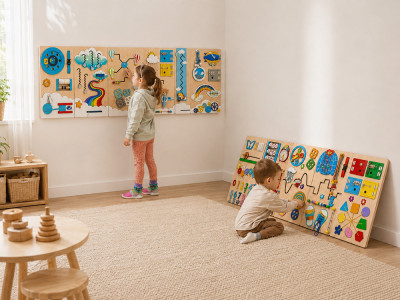
When children work on a wall, they stand, stretch and reach. Core muscles engage, eyes track more naturally and alertness rises. Connect that concept to BumblebeeSmart Large Busy Boards and the benefits multiply. These are not simple toys. They are sturdy, beautiful, wall mounted tools that support learning and regulation through play.
This article explains the hidden advantages of vertical play for parents and teachers, from posture and coordination to sensory regulation and engagement. You will also get practical tips for home and school, plus ways to make every minute on the wall count.

Why Vertical Surfaces Matter More Than You Realize
Standing Means Core In Action
When a child stands to play, the body does not coast. Upright work naturally calls the core to stabilize. Less chair wiggle. Less collapse through the trunk. More steady effort that supports writing, drawing and self control.
Shoulders, Arms, Wrists Get Real Work
Coloring on a wall feels different than coloring at a desk. Vertical surface activities require strength from shoulders through forearms all the way to the wrist. Repetition on the wall builds stability and fine motor control that later supports fluent handwriting.
Vision That Follows The Movement
On a wall, head and eyes tend to move together. That supports visual tracking, spatial awareness and left to right movement patterns that matter for reading and letter formation. Many teachers report fewer letter reversals when vertical work becomes part of the day.
Developmental Gains You Should Notice
Crossing The Midline And Coordinating Both Sides
Reaching across the body to turn a gear or press a button looks simple, but it is powerful. That movement supports brain pathways needed for reading fluency, writing flow and daily self care skills.
Preparing The Pencil Grip Before The Pencil
Vertical work promotes natural wrist extension. That position helps the hand settle into a comfortable tripod grip later. Think of it as strength training for precise work without pressure or frustration.
A Sensory Boost Without Screens
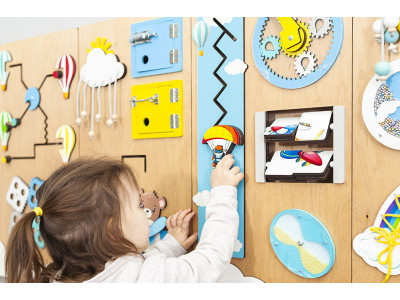
Many children seek alerting input. Pushing against a wall mounted surface provides proprioceptive feedback that helps the body understand where it is in space. Vertical surface activities can calm the nervous system while keeping minds engaged.

Busy Boards: Where Concepts Meet Daily Play
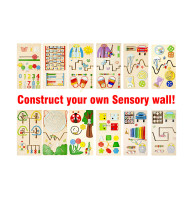
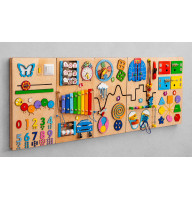
Chalkboards and whiteboards have value, for sure. BumblebeeSmart Busy Boards go further. Children twist knobs, slide beads, trace mazes and tap light elements. Each action blends tactile, visual and motor learning. One installation becomes a hub for focus, creativity and practical skill building.
For homes, classrooms, clinics or waiting areas, that single wall feature replaces bins of loose toys and keeps the floor clear. It also scales well for groups, which boosts return per square foot in busy spaces. Browse the full wall-mounted busy boards range to see the sizes and themes available.
How To Use Vertical Play Every Day
Vary Positions For Better Results
Standing is great and you can also try tall kneeling, half kneeling or using a wobble cushion. Small changes in posture challenge balance and build endurance while keeping the activity fun.
Connect Wall Play To Routines
At home, link a quick action to a daily task. Spin a gear before brushing teeth. Push a button before bedtime. In class, use short wall breaks to smooth transitions between subjects.
Match The Board To Age And Need
Younger children may prefer light touch panels and big fidgets. Early elementary students may enjoy peg mazes, sequencing tracks and number tasks. For sensory seekers, add textures and items that provide firm input to the hands.
From Classrooms To Therapy Rooms
Cooperative Learning While Standing
Place two or three children at the same board and watch the social learning unfold. They negotiate turns, share strategies and practice language in a natural way, without constant adult prompting.
Storytelling And Language On The Wall
Use the board as a prompt. Where is the gear train going today. Who lives at the end of the maze. For bilingual classrooms, name actions and objects in two languages to build vocabulary and confidence.
Therapy That Feels Like Play
Motivation is half the work. A well designed busy board turns posture, balance and fine motor practice into a game. Children stretch and reach because they want to, not because they must.
Why BumblebeeSmart Stands Apart
Design and durability matter. BumblebeeSmart builds for heavy daily use in schools, clinics and public spaces. Panels feel like interactive decor rather than clutter. For settings where visual quality counts, that is a real advantage.
Custom options can match brand colors or a theme. For educators and therapists, this signals professionalism. For families, it looks great in a playroom and keeps floors clear.
Quick Takeaways
- Vertical surface activities keep children upright, active and focused.
- Wall work builds posture, shoulder stability, wrist control and fine motor skills.
- BumblebeeSmart Busy Boards combine tactile, visual and cognitive play in one place.
- Short wall breaks improve transitions at home and in class.
- One wall installation can replace bins of loose toys and save floor space.
FAQs
What ages benefit most from vertical surface Busy Boards?
Children from toddlers to early school-age (2-8 years) gain the most because vertical activities support developmental stages like motor skills and posture.
How long should vertical surface sessions last?
Start with 5-10 minutes, building to 20 minutes of focused vertical play - short, fun bursts keep children engaged and alert.
Can Busy Boards help kids with sensory or attention challenges?
Absolutely - vertical play provides sensory integration and alerting proprioceptive input, aiding self-regulation in children with sensory needs.
How to transition from horizontal to vertical activities effectively?
Begin by occasionally placing coloring or drawing tasks on the wall, slowly increasing vertical elements. This eases the shift and builds interest.
Are there safety considerations when mounting busy boards?
Ensure the board is securely anchored at an appropriate height and check for no sharp elements. Use soft flooring or mats underneath if using balance positions.
Share Your Experience
We would love to hear your thoughts - have you tried wall play at home or in the classroom? Did you notice a change in focus, posture, or mood? Share your story and pass this article along to another parent or teacher who might be curious. Lets get the conversation going.





Write a comment