


Adult sensory walls are becoming increasingly popular in therapy clinics, rehabilitation centers, healthcare facilities, offices and memory care environments. While sensory walls are often associated with children's development, interactive wall-mounted activity panels also give adults a calm, hands-on activity that encourages hand movement and focused attention.
Whether used in occupational therapy, dementia care, autism support or workplace wellness programs, sensory wall panels provide meaningful tactile and cognitive activities that invite relaxed, independent engagement. Their modular, space-saving design makes them suitable for both private and public environments.
In this guide, we'll explore the benefits of adult sensory walls and where they are most commonly used. We'll also cover how to choose the right sensory wall panels and which features matter most in practice. We'll also introduce practical solutions for creating calm, engaging spaces for adults of all abilities.
Looking for Adult Sensory Wall Panels?
Explore our collection of sensory wall panels for adults, designed for therapy clinics, rehabilitation centers, waiting rooms, memory care facilities and inclusive public spaces. The collection focuses on hands-on activity presented in an age-appropriate way, rather than panels styled for children.
Benefits of Sensory Walls for Adults
Adult sensory walls give people a structured, hands-on activity in places where there is often little to do with your hands. They are used by autistic adults and by adults with sensory processing differences. People living with dementia use them too, as does anyone who simply wants a short, focused break. Let's look at the main reasons people choose them:
-
A Calm, Repetitive Activity
Touching different textures, turning a gear or tracing a path is simple and repetitive. Many adults find that kind of activity settling. It gives attention somewhere specific to go instead of a busy room or a long wait. -
Focus on a Single Task
Elements such as puzzles, mazes, beads and rotating parts ask for active engagement. That gives the user one clear thing to do at a time, which many people find easier than sitting idle. -
Predictable Sensory Input
For neurodivergent adults, a sensory wall offers sensations that are controlled and predictable. Each element behaves the same way every time, so the user decides how much input they want and when to stop. -
Problem-Solving Engagement
Mazes, sliding elements and lock-and-key setups add a small problem to solve. That keeps the activity interesting for adults who would lose interest in purely decorative panels.

Ideal Settings for Adult Sensory Walls
Adult sensory walls can be incorporated into a variety of settings to create a more inclusive and supportive environment:
-
Workplaces
In offices, a sensory wall gives employees a quick, hands-on break in a break room or quiet zone. It is a low-effort way to step away from a screen for a few minutes. -
Therapy Centers and Clinics
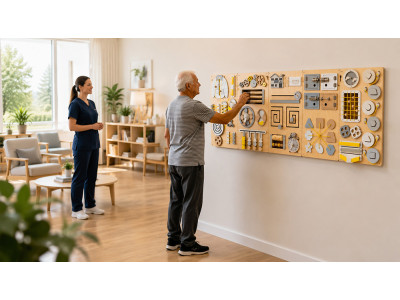
A sensory wall in a therapy room gives clients something to do with their hands during a session. Some clients find it easier to talk while their hands are busy. -
Home Environments
At home, a small corner with a sensory wall can become a personal spot for unwinding after a long day. -
Public Spaces and Community Centers
Integrating sensory walls into community centers or libraries can create welcoming environments for individuals with sensory needs, making public spaces more inclusive.
Practical Tips for Setting Up an Adult Sensory Wall
Setting up an adult sensory wall requires thoughtful consideration of the elements that will be used most. Here are some practical tips:
-
Choose Muted Colors and Comfortable Textures
Unlike sensory walls for children, adult sensory walls usually work better with subdued colors. Neutral tones like soft blues, greens or greys suit most adult spaces. Incorporate textures that feel comfortable to touch, such as soft fabrics, smooth surfaces or gentle ridges. -
Include Interactive Features
Integrate features like mazes, sliders or fidget-friendly elements. For adults, focus on elements that require a bit more cognitive input, like complex puzzles or rotating components that mimic real-life actions, such as turning a knob or flipping a switch. -
Use Panels Designed for Adults
BumbleBeeSmart offers sensory wall panels for all age groups. For adults, look for panels with abstract patterns, guided paths or minimalist designs that feel calm rather than playful. -
Create a Multi-Sensory Experience
Combine visual, tactile and even auditory elements. You might incorporate sections with smooth pebbles, textured fabrics or soft chimes that produce gentle sounds when touched. -
Consider Accessibility
Ensure the wall is accessible for people of different heights and abilities. Place interactive elements at varying levels so that both standing and seated users can engage with them comfortably.
If you're outfitting a therapy room, office or home, the adult collection linked at the top of this guide is the place to start. For a memory care unit or nursing home specifically, our sensory wall panels for care homes category and installation guidance are built around that facility-focused use case.
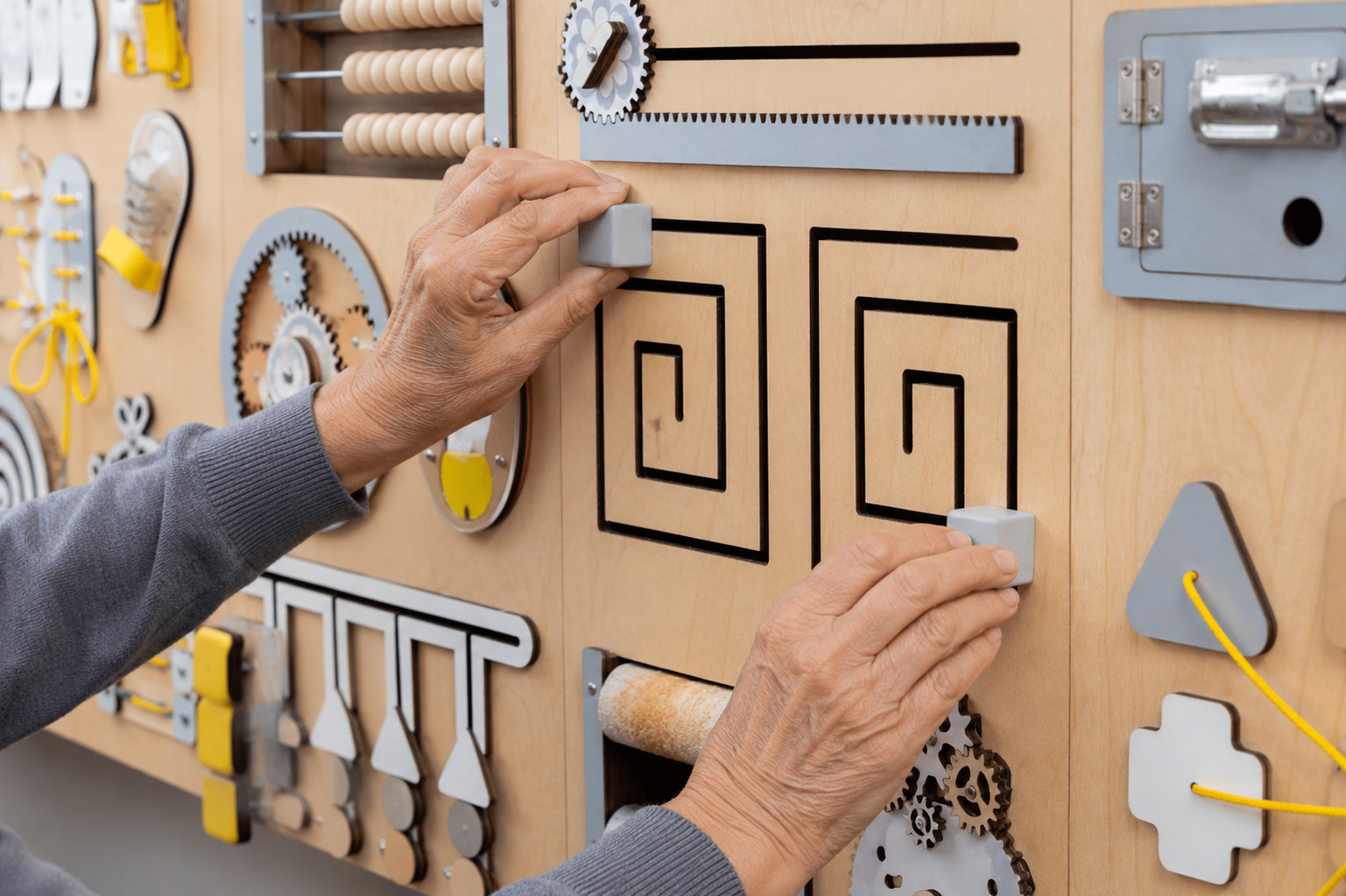
Choosing the Right Adult Sensory Wall
Every environment has different goals, so choosing the right wall-mounted sensory panel depends on who will be using it and how the space will be used. Whether you're designing a therapy room, rehabilitation center, office wellness area or memory care facility, the following factors can help you select the most appropriate sensory wall.
Choose the Right Size
Start by considering the available wall space and the number of users. A compact sensory panel may be ideal for private therapy rooms or home environments. Larger modular sensory walls allow multiple users to interact at the same time in clinics, schools and public spaces.
Select Appropriate Textures and Activities
Adults often prefer tactile activities built around calm, repetitive movement rather than bright, highly stimulating play. Look for interactive elements such as sliders, gears, rotating discs, spinners, locks and tactile surfaces that give satisfying feedback without overwhelming the user.
Prioritize Durability
For therapy clinics, hospitals and other high-traffic environments, choose sensory wall panels built from durable wood with securely mounted components that hold up to everyday use. Solid construction keeps maintenance low.
Consider Installation Requirements
Wall-mounted sensory panels save valuable floor space and provide a permanent, organized activity area. Make sure the installation location is easily accessible for the intended users and allows enough surrounding space for comfortable interaction.
Look for Easy Maintenance
Sensory walls installed in public environments should be quick and easy to clean. Smooth wooden surfaces and durable finishes can be wiped down regularly, which keeps upkeep simple.
A professionally manufactured sensory wall builds durability, safety and ease of maintenance into every panel. That matters for homes, therapy clinics, healthcare facilities and inclusive public spaces alike.
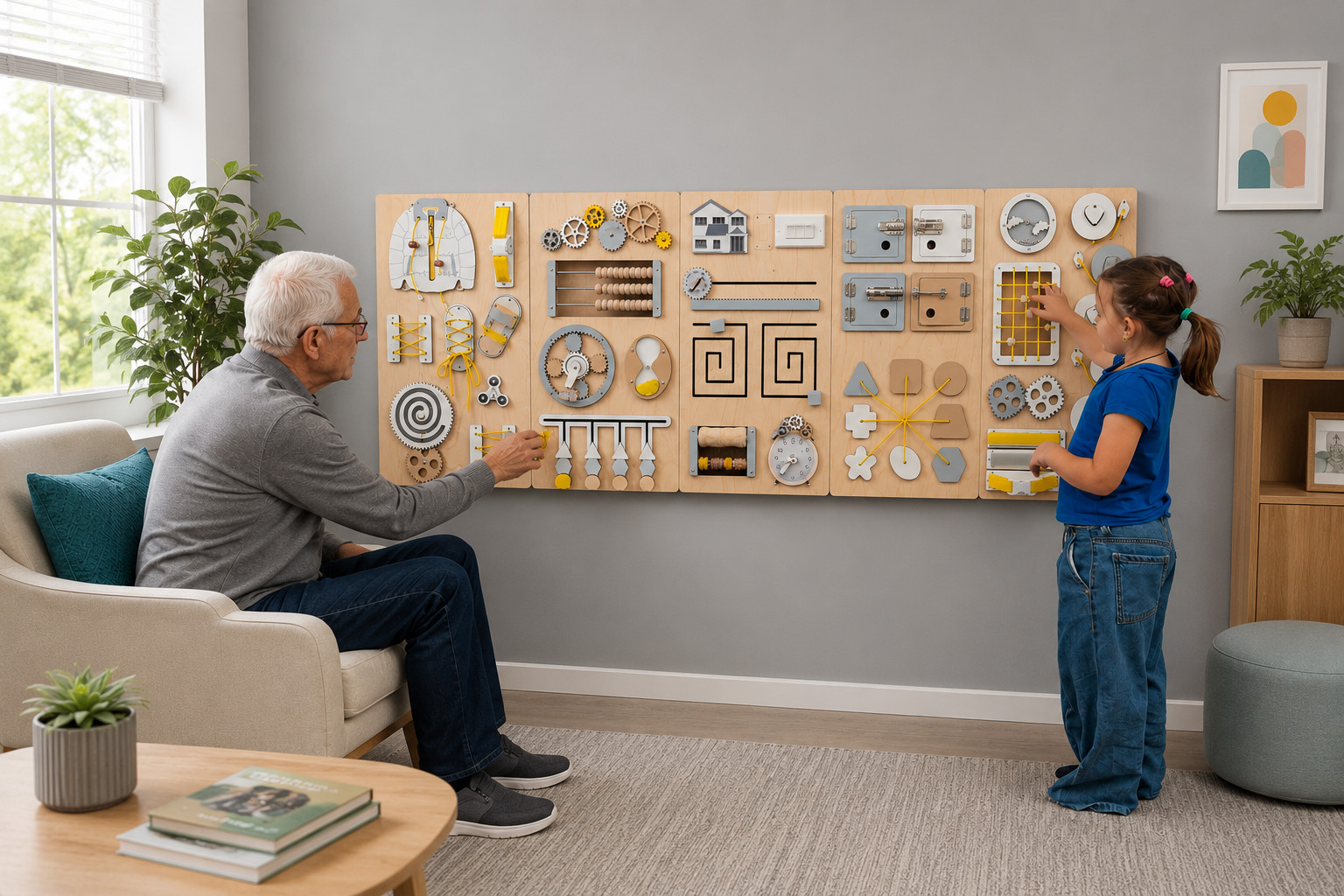
Frequently Asked Questions About Adult Sensory Walls
Can adults benefit from sensory walls?
Yes. Adult sensory walls offer a calm, hands-on activity that encourages fine motor movement and focused attention. They are commonly used in therapy clinics, rehabilitation centers, workplaces and wellness spaces.
Are sensory walls helpful for adults with dementia?
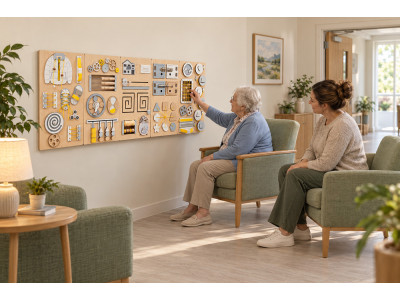
Many memory care facilities and healthcare providers use sensory walls to encourage cognitive engagement, hand movement and sensory stimulation for adults living with dementia. Activities should always be selected according to each individual's abilities and care plan. If you're setting up a whole room rather than a single panel, our guide to planning a dementia sensory room covers space, zoning and equipment for a memory care setting.
Can adults with ADHD use sensory wall panels?
Yes. Some adults with ADHD like having a hands-on outlet for movement and fidgeting, and a sensory wall provides one. Individual experiences vary, so choose activities based on personal preferences.
Where can adult sensory walls be installed?
Adult sensory walls suit occupational therapy clinics, rehabilitation centers, memory care facilities, hospitals, offices, wellness rooms, libraries, community centers and other public spaces where a calm, hands-on activity is useful.
Can sensory wall panels be customized?
Yes. BumbleBeeSmart offers modular sensory wall systems that can be customized to fit your available space, preferred colors and activity selection for homes, clinics, schools and healthcare environments.
Create a Calm, Engaging Space for Adults
Whether you're designing a therapy clinic, rehabilitation center, memory care facility or workplace wellness room, start with who will use the wall. The right sensory wall gives adults a hands-on activity they can return to for years.
Explore our full range of sensory wall panels, discover our Sensory Wall Set in Neutral Colors, or build your own installation with our DIY Sensory Wall Builder.




Write a comment