


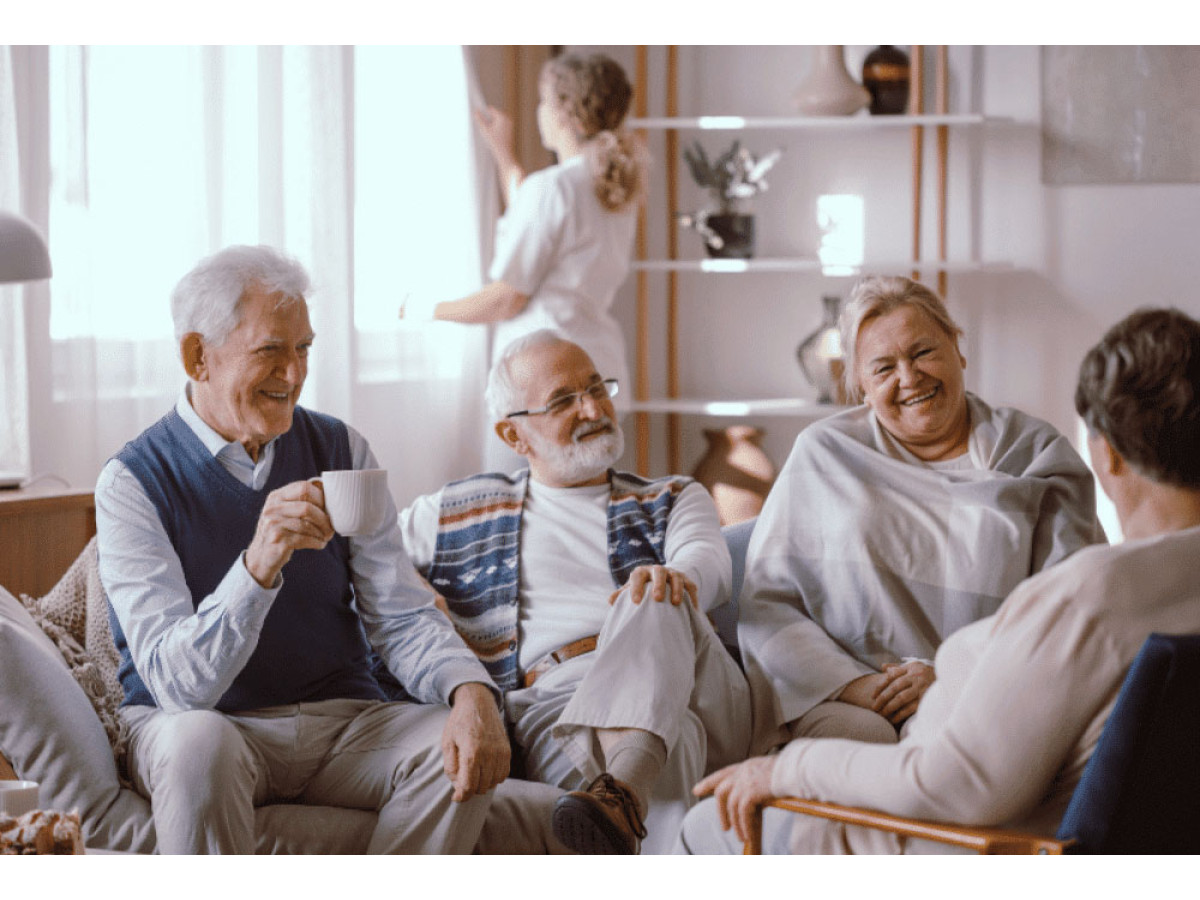
Sensory play for the elderly is a thoughtful way to engage and gently stimulate the senses of older adults, including those living with cognitive changes such as dementia. When we look at how busy boards for seniors work, the role of sensory walls becomes clear. Wooden sensory walls in particular offer tactile experiences that can feel comforting and familiar and support engagement. These walls often feature a variety of materials, textures and interactive elements to touch and manipulate.
Looking for a ready-made option for older adults?
Made for dementia and memory care - calming, hands-on panels for home and care settings.
Furnishing a care home lounge or memory care corridor? See our sensory wall panels for care homes.
Busy boards and sensory walls are activity and engagement products. They are not medical devices and do not treat, cure or prevent dementia.
Benefits of Busy Boards for Seniors
One of the key advantages of busy boards for older people lies in their ability to provide gentle sensory stimulation - one of the simplest sensory activities for seniors. These boards are equipped with various elements like locks, switches and textured fabrics, which can help keep fine motor skills active and encourage hands-on engagement. The benefits of busy boards for seniors also include supporting hand-eye coordination and offering a sense of accomplishment and joy in completing simple tasks.
Busy boards offer a purposeful, engaging activity for seniors, including those navigating the changes that can come with aging. These interactive boards feature a variety of elements such as latches, knobs, textured fabrics and puzzles, which invite focus and gentle effort. Engaging with these elements gives seniors an absorbing, hands-on activity to enjoy at their own pace.
Benefits of busy boards for seniors:
- Enhanced Fine Motor Skills: Manipulating small objects and intricate mechanisms on the board supports dexterity and hand-eye coordination.
- Sensory Stimulation: Different textures, colors and materials engage the senses and offer a rich tactile experience.
- Mood and Confidence: The sense of accomplishment from interacting with the board can lift mood and self-esteem.
- Calming Tactile Experience: Focusing on a hands-on task can feel absorbing and calming.
Busy boards encourage seniors to be more independent by engaging them in activities they can manage on their own. This sense of independence is important for older adults, as it can meaningfully affect self-esteem and overall quality of life. The boards are also an excellent tool for engagement, providing a medium for interaction and communication with caregivers, family members or peers. This social aspect of using busy boards can help support connection and reduce feelings of isolation, which are common in older age.
For seniors living with dementia, a busy board works as a familiar dementia activity board - a gentle, engaging activity and a safe way to interact with hands-on elements. As one of the more approachable activities for dementia patients, it provides an accessible way to spend purposeful time and connect with the people around them, which supports emotional wellbeing. The tactile and visual elements offer calming, familiar sensory experiences that many people find soothing.
Age-Inclusive Design of Busy Boards
The age-inclusive design of busy boards ensures that they are accessible and enjoyable for seniors of all ability levels. They are crafted to be easy to use, with larger, easy-to-handle parts that suit those with limited dexterity. In addition, these boards can be customized to match the individual interests and abilities of the user, making them a versatile choice for older-adult care.
Choosing a Busy Board for Seniors
Not every busy board suits an older adult. A board made for toddlers can feel out of place - too small, too bright, too childish. Choosing a busy board for seniors means looking for a few specific qualities that make it comfortable, dignified and genuinely usable for grown-up hands.
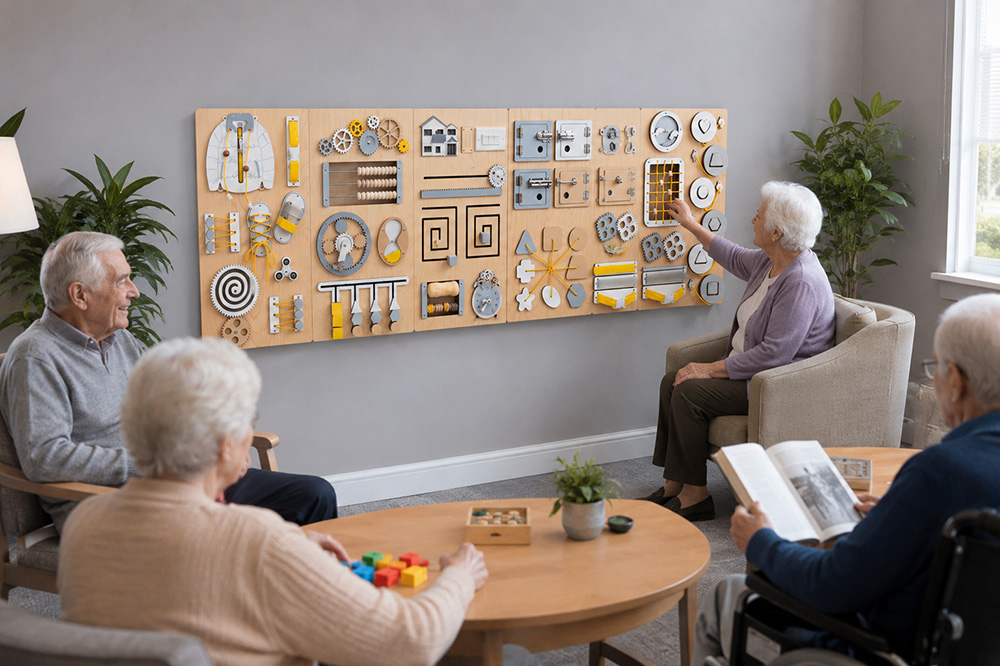
What to Look For
- Larger latches and knobs - easier to grip and turn for hands with reduced dexterity.
- Rounded, sanded edges - comfortable and safe to touch or lean on.
- Non-removable parts - every element securely fixed, with no loose small pieces.
- Wall-mounted installation - saves floor space, stays stable and keeps activities at a comfortable height.
- Wipe-clean surfaces - practical for shared care settings and everyday use.
- Familiar, everyday hardware - locks, switches and catches people recognise from a lifetime of use.
- An adult-friendly appearance - dignified, grown-up styling rather than a children's toy.
- Calm, natural colours - no bright, childish colour schemes.
A board that ticks these boxes feels made for the person using it - which makes it far more inviting to pick up and return to, day after day.
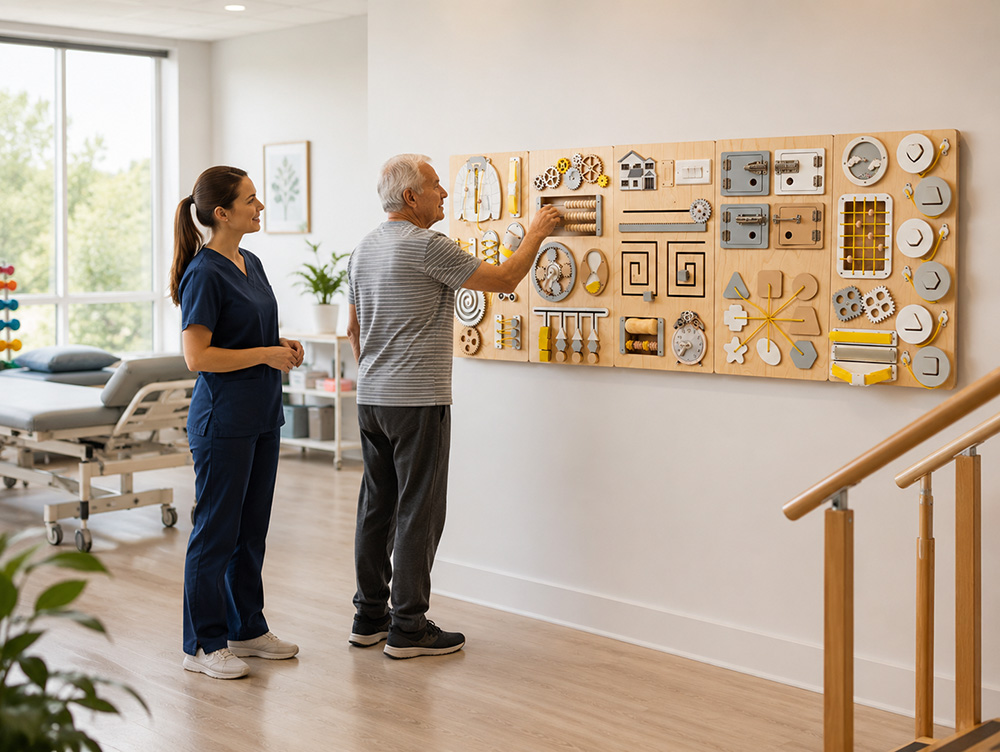
Busy Boards for Individuals with Special Needs
Busy boards and sensory panels also suit children and adults with autism or sensory processing differences. Predictable, repeatable tactile activities can feel calming and give a safe, hands-on focus, and the elements can be chosen to match each person's sensory preferences. For a version built around this, see our sensory wall for autism, or read more about inclusive sensory walls for all abilities.
Sensory Walls for Seniors
A sensory wall for elderly care is a thoughtful approach in older-adult settings, valued for how engaging and calming these panels can be. These are carefully designed panels that invite the senses through textures, colors and interactive elements. Their aim is to engage and soothe older adults, offering familiar, hands-on activities that many find comforting.
Sensory walls offer a gentle, hands-on way to engage older adults. Sensory walls provide familiar textures and simple activities that many find calming, and they give purposeful, shared moments with carers and family - supporting comfort, connection and a sense of ease.
Sensory walls reflect a growing interest in engaging, activity-based ways to support the wellbeing of older adults, alongside the care they already receive. Rather than replacing anything, they add a warm, hands-on element to daily routines and to the spaces where older adults spend their time. For care settings or families planning more than a single panel, our guide to setting up a dedicated sensory room walks through the space, equipment and budget decisions involved.
A sensory wall built for older adults
See the sensory wall for adults
Handmade, wall-mounted panels for dementia and memory care - dignified, calming and easy to use in homes and care settings.
Key features of sensory walls include:
- Tactile Panels: Textured surfaces that encourage touch, supporting tactile engagement and fine motor activity.
- Visual Elements: Bright colors and dynamic patterns that engage the eye and hold attention.
- Auditory Components: Sounds, such as music or nature noises, that add another familiar, engaging layer.
- Interactive Gadgets: Items that can be manipulated, such as knobs, switches or puzzles, to invite engagement.
- Thematic Sections: Parts of the wall designed around themes, like nature or everyday scenes, to provide a sense of familiarity.
- Safety Features: Design considerations that keep the wall accessible and safe, including height options and smooth, rounded materials.
When considering advice on sensory play, it's important to focus on safety and personalization. The items on the sensory walls or busy boards should be securely attached, with no loose small parts. Incorporating familiar items or favorite textures can make the experience more meaningful and comforting for the individual.
Frequently Asked Questions
Can seniors with dementia use busy boards?
Yes. Many caregivers find busy boards a calming, hands-on activity for older adults living with dementia. The familiar latches, textures and moving parts give a safe, purposeful focus and something to enjoy alongside family or carers. They support engagement rather than replacing any care, and the elements can be chosen to suit each individual.
Are busy boards safe for older adults?
When well made, yes. Look for securely fixed elements with no loose small parts, rounded edges and smooth, non-toxic finishes. Wall-mounted boards stay stable and keep the floor clear. As with any hands-on activity, it's sensible to match the board to the person's abilities and to have support nearby where it's needed.
What should a sensory board for adults include?
A good sensory board for adults uses dignified, grown-up styling rather than childish themes. Useful elements include latches, bolts, dials, zips and varied textures that encourage fine-motor movement. The best tactile activity boards can be tailored to a person's history and interests - familiar actions and materials tend to feel the most engaging and comforting.
Can sensory walls be used in memory care facilities?
Yes. Sensory walls are widely used in care homes and memory care settings as part of everyday memory care activities. Mounted at a comfortable height, they give residents a familiar point of interest in lounges, corridors and activity rooms, and are easy to wipe clean for shared use. Configurations can be matched across several rooms.
Are busy boards only for people with dementia?
Not at all. Busy boards suit a wide range of older adults and are among the more flexible sensory activities for seniors generally, encouraging participation, gentle hand movement and a sense of accomplishment. They also work well for adults with autism or sensory processing differences, and the elements can be adapted to each person's preferences.
How do sensory activities benefit seniors?
Hands-on, familiar activities give older adults something purposeful and absorbing to do at their own pace. Many caregivers find they encourage participation, may help keep hands active, and create relaxed, shared moments with family and carers. Rather than a medical aid, they are simply a warm, engaging part of a daily routine.
Conclusion: Sensory Play for Enhanced Well-being
Embracing sensory play for the elderly and for those with special needs through busy boards and sensory walls offers a warm way to enrich their days. These tools provide sensory engagement while supporting a sense of independence, lifting mood and adding purposeful activity to a routine. As we continue to explore the benefits of sensory play, the value of age-inclusive, need-specific design becomes increasingly clear.
Discover a thoughtful way to support the engagement and wellbeing of the seniors in your life with our range of busy boards. Visit BumbleBeeSmart to explore our carefully crafted selection, designed for sensory engagement and the joy of independence. Each board is a unique blend of creativity and safety, and can be tailored to the needs of seniors, including those living with dementia. Find the perfect busy board in our store today, and bring a positive, hands-on moment to the daily routine of your elderly loved ones.
Related reading:
- Adult sensory walls - how tactile wall panels engage older adults.
- Busy boards for dementia - a closer look at hands-on activities in dementia care.
- How sensory walls support emotional wellbeing.
- Sensory wall safety - what to look for in a safe, well-made board.

Write a comment