


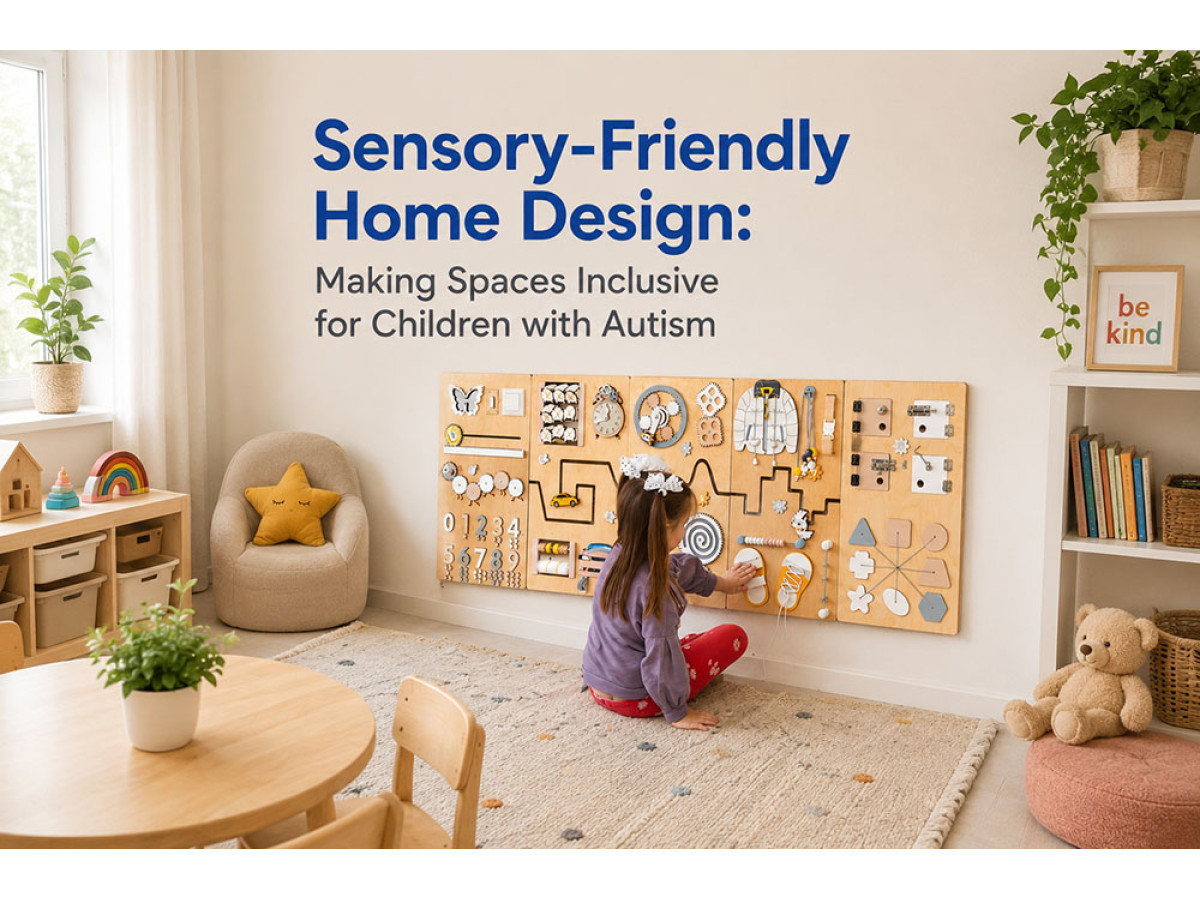
Looking for sensory room ideas that actually work in a real home? The most useful place to start is layout, not products. A dedicated sensory space can make a real difference for children who benefit from extra sensory input, including many children with autism, sensory processing differences or simply high energy levels. This guide covers practical ideas for zones, wall use and calming design choices you can adapt to almost any room.
Understanding Sensory-Friendly Home Design
Sensory-friendly home design aims to create environments that reduce sensory overload and support comfort for children who benefit from extra sensory input, including many children with autism or sensory processing differences. These designs consider sensory inputs such as sight, sound, touch and smell, ensuring the room becomes a supportive, engaging space.
Key Elements of Sensory-Friendly Design:
- Calming Color Schemes: Use soft, muted colors to create a tranquil atmosphere.
- Lighting: Opt for natural lighting where possible and use dimmable lights to control the intensity.
- Textures and Materials: Incorporate soft, smooth textures that are pleasing to touch and avoid harsh or irritating materials.
- Noise Control: Use soundproofing materials or white noise machines to minimize disruptive sounds.
Planning Room Layout and Zones
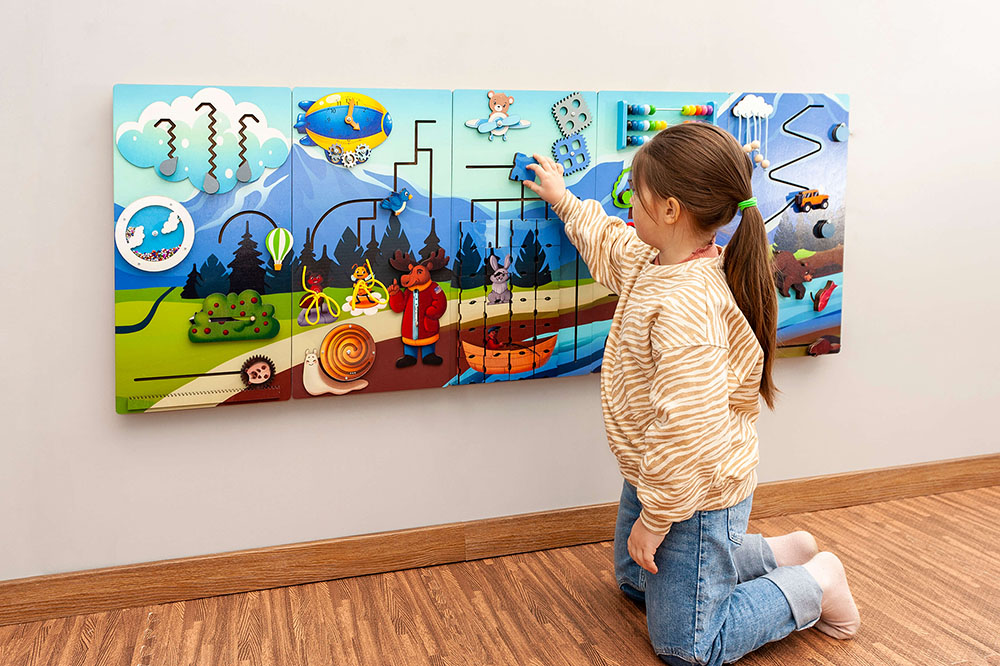
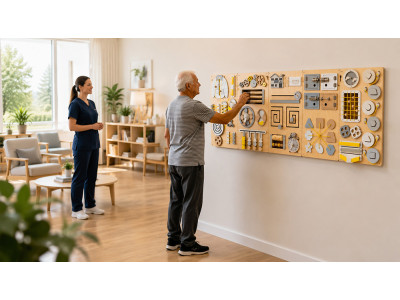
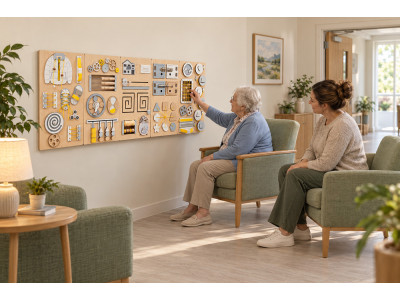
A dedicated sensory space works best when it's organized into a few clear zones rather than filled with unrelated items. A common approach is to split the room into a calm zone with soft seating and dim lighting, and an active zone for movement and hands-on play. Wall space is often the most efficient place to add interactive activities, since wall-mounted panels free up the floor for movement without cluttering the room.
Light works the same way. In the calm zone, one slow, steady light source is usually enough, and a wall-mounted fixture keeps it off the floor. In the active zone, a light can respond to the child instead: a touch-reactive wall panel such as the PixelPop Interactive Light Panel lights up where a hand presses it, which turns a wall into a simple cause-and-effect activity. Both need a nearby outlet, so plan the zones around where your power sockets actually are. To compare bubble walls, fiber optic fixtures and interactive panels side by side, see our sensory room equipment range.
Designing a Sensory-Friendly Home?
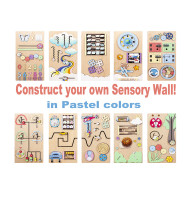
Discover modular Sensory Wall Panels designed for homes, playrooms and autism-friendly spaces. Create an engaging activity wall that supports sensory exploration while complementing your home's interior.
Incorporating Sensory Walls and Boards
Sensory walls and boards are common components of sensory-friendly home design. They offer tactile, visual and auditory stimuli that give children a range of hands-on activities to explore.
Sensory Walls for Design
Sensory walls are interactive surfaces that provide diverse sensory experiences. They can be customized to include different textures, colors, and activities to cater to the child's specific needs.
- Sensory Walls for Toddlers: for younger children, look for large, simple elements (mirrors, chunky textures and easy-to-grip pieces) that are gentle to explore and easy to grasp.
- Sensory Wall Panels: Modular and easy to install, sensory wall panels can be rearranged to keep the environment dynamic and interesting for children.
Busy Boards and Play Walls
Busy boards, also known as learning boards for toddlers, are another excellent addition to a sensory-friendly home. These boards are designed with various elements like switches, locks, and knobs that children can manipulate, helping to develop their fine motor skills and problem-solving abilities.
- Busy Board for Baby: These boards are tailored to be safe and engaging for babies, featuring larger, easy-to-handle items.
- Play Wall: A designated play wall can incorporate both busy boards and sensory wall toys, creating a comprehensive sensory activity center in one area of the home.
Learning Walls and Toddler Learning Toys
Creating a learning wall can be an effective way to integrate educational elements into your sensory-friendly home design. These walls can feature a variety of toddler learning toys, such as alphabet tiles, numbers, and interactive charts.
- Learning Wall: A space dedicated to educational activities, combining tactile, visual, and auditory stimuli to enhance learning.
- Wall Toys: Interactive toys mounted on the wall can save space while providing children with endless opportunities for sensory play.
Creating a Sensory-Friendly Space
When designing a sensory-friendly home, consider the following tips to ensure a supportive environment for your child:
- Engage All Senses: Incorporate elements that stimulate touch, sight, sound, and even smell in a controlled manner.
- Personalize the Space: Every child is unique, so tailor the sensory elements to their preferences and needs.
- Ensure Safety: All sensory elements should be safe and non-toxic, with no small parts that could pose a choking hazard.
Designing for Autism-Specific Needs
Many of the design principles above, calm color palettes, adjustable lighting and wall-mounted activities, apply directly to autism-friendly spaces. If you're planning a room specifically for a child with autism, our guide to what should be in a sensory room for autism covers additional considerations like predictability, individual sensory preferences and choosing a dedicated calm corner. For wall-mounted activity panels selected for autism-friendly environments, see our Sensory Walls for Autism collection.




/AAA_6318-400x300.jpg)

Write a comment