


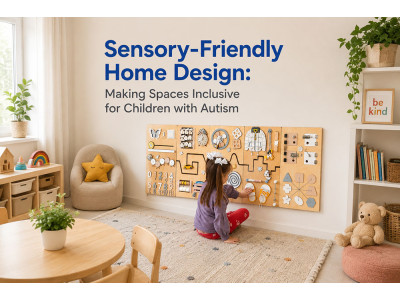
Who needs a sensory room? Many different people, for different reasons. Toddlers building new skills, autistic children navigating sensory sensitivities, kids with ADHD, and adults managing stress all use one. A sensory room is a dedicated space designed to engage the senses, usually through lighting, music, textures and interactive objects. At BumbleBeeSmart, we build sensory products like sensory wall panels and busy boards, along with a growing sensory room equipment line of light and water pieces. These are common tools in sensory rooms for children, particularly those with developmental differences.
Who Can Benefit from a Sensory Room?
Toddlers: For young children, sensory-based play is one way to engage multiple senses at once. Research from the American Academy of Pediatrics links this kind of hands-on play to early cognitive, motor and social-emotional development.[1]
Autistic Children: Sensory sensitivities are common in autism. They are recognized as part of the diagnostic criteria for autism spectrum disorder.[2] A calm, adjustable sensory space can give an autistic child more control over the amount and type of sensory input in the environment. See our dedicated guide to what should be in a sensory room for autism for planning specifics.
Children with ADHD: For ADHD, the CDC identifies behavior therapy, not sensory equipment, as the recommended first-line treatment for young children.[3] A calm, low-stimulation space isn't a substitute for that. But some families use one as a break between structured activities or as part of a broader routine.
Children with Sensory Processing Differences: a dedicated space can offer a more predictable environment. It lets these children engage with sensory input at their own pace.
Special Needs Individuals (all ages): Sensory rooms are also used with older children and adults who have developmental delays, anxiety, or other neurological conditions. They offer a space that can be adapted to individual sensory preferences. Many schools set up a dedicated room along these lines. Our guide to building a sensory room in schools covers the planning side, from budget to layout to district approval.
Key Features of a Sensory Room
Regardless of who's using the room, most sensory rooms draw from the same core feature types:
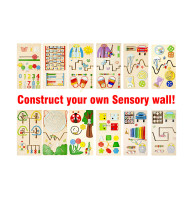
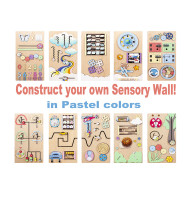
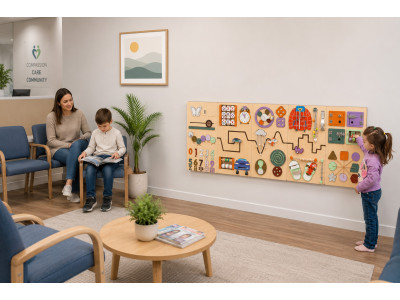
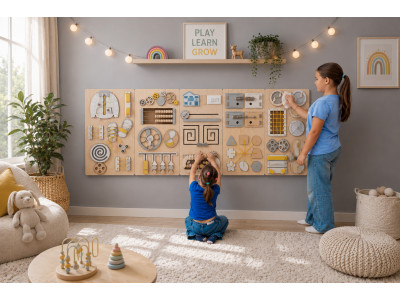
- Sensory walls and busy boards: engage the tactile, visual, and auditory senses, useful for hands-on exploration.
- Calming lights: soft, often color-changing lights that help create a soothing environment, such as a fiber optic light fixture, a bubble tube, a wall-mounted LED bubble wall or a fiber optic jellyfish light.
- Tactile panels: different textures to touch and manipulate, which some children find soothing and others find stimulating.
- Sound and music: sounds or music that can be calming or stimulating depending on the individual's needs.
At BumbleBeeSmart, our sensory walls and busy boards are designed with these needs in mind. For a full, category-by-category breakdown of what to include, see our sensory room checklist below.
Getting Started
If you've decided a sensory room could help, the next steps are choosing a layout and deciding what to include. Our guide to sensory room design ideas covers layout and wall zones. Our sensory room checklist breaks down equipment by category (both linked under Related reading below). Start small. Even a single wall-mounted activity panel or busy board can be a meaningful first step, and you can build the room out as you learn what works for the person using it.
Sensory Rooms Are for More Than Just Play
Whether it's a toddler exploring textures for the first time or an adult finding a few minutes of calm during a stressful day, a sensory room gives people of any age a structured way to engage with sensory input. It also gives them a way to step back from it when needed. The right combination of equipment depends entirely on who's using the room and what they need it for.
Frequently asked questions
Who is a sensory room for?
Sensory rooms are commonly used by toddlers, autistic children, and children with ADHD or other sensory processing differences. Adults with developmental, anxiety-related or neurological needs use them too. The setup usually changes depending on who it's for.
What are the benefits of a sensory room?
Sensory rooms can provide opportunities for hands-on activity, movement, quiet breaks and structured sensory exploration. A sensory room isn't a substitute for clinical treatment where one is needed.
Can adults use a sensory room?
Yes. Sensory rooms are also used in workplaces, therapy settings and maternity wards to support adults managing stress or specific therapeutic needs.
Related reading
Sources and further reading
- Yogman M, et al.; American Academy of Pediatrics. The Power of Play: A Pediatric Role in Enhancing Development in Young Children. Pediatrics, 2018.
- Autism Speaks. Sensory Issues.
- Centers for Disease Control and Prevention. Behavior Therapy First for Young Children with ADHD.



Write a comment