


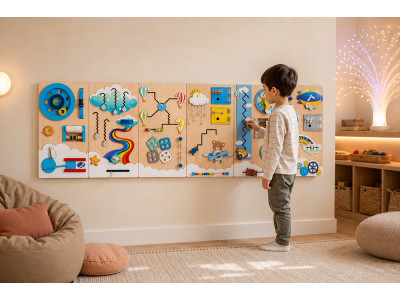
Walk into almost any pediatric dental waiting room and you'll see the same scene: a parent trying to keep a wound-up four-year-old occupied, a screen mounted too high, and a basket of well-handled toys nobody wants to touch. Down the hall, a child who is anxious before they even sit in the chair. A sensory wall for dental clinics is a small, fixed piece of the room that helps with both - it gives hands something to do and gives an anxious child a calm thing to focus on.
This guide is written for practice owners, office managers, and pediatric and special-care dentists who are weighing whether a sensory wall earns its place - and, if so, how to choose and care for one. We'll cover what the research actually shows, what a good panel includes, where to put it, how to clean it, and which configurations fit a clinic. Where a specific BumbleBeeSmart product or guide is genuinely useful, we'll point to it.
Why install a sensory wall in a dental clinic?
Three practical reasons, in plain terms.
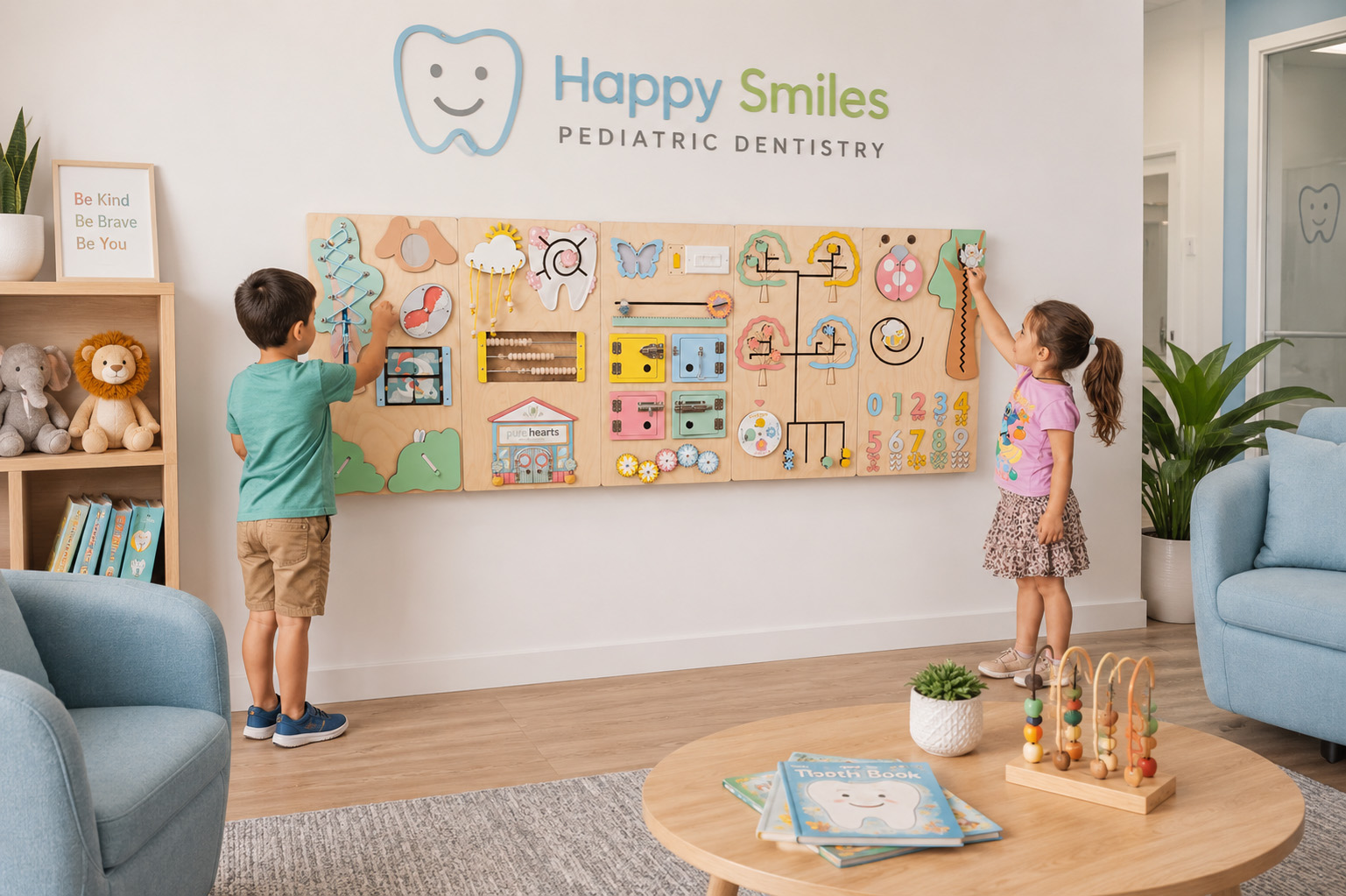
It occupies waiting time. Restless waiting is where appointments start to go sideways. A wall-mounted activity panel turns those dead minutes into focused play. That calms the child, and it lowers the temperature for everyone in the room. BumbleBeeSmart's own guide on why a fixed board beats a bin of toys makes the practical case - busy panels keep children occupied during waits in places like a doctor's office, and because they're securely fastened to the wall rather than loose, nothing gets dropped, lost, or kicked under a chair.
It helps anxious and sensory-sensitive children cope. For a child who finds the clinic overwhelming, a predictable, hands-on focal point is a regulation tool, not just a distraction. This is the population a sensory wall helps most, and it's worth designing for them specifically.
It signals the kind of practice you are. A calm, child-considered space tells parents you've thought about their child's experience - which matters in a category where anxiety quietly drives patients away.
What the research says about sensory-adapted dental rooms
The idea behind a sensory wall isn't decorative; it comes out of work on the sensory-adapted dental environment - a regular operatory modified across visual, auditory, and tactile channels. In a randomized crossover trial of 162 autistic children, cleanings done in the adapted room produced significantly lower physiological stress and less observed behavioral distress than the same children's cleanings in a standard room, with no participants withdrawing for adverse effects.1 A 2024 systematic review of randomized trials reached a similar conclusion, naming sensory-adapted environments among the approaches most effective at lowering distress and improving cooperation during dental visits.2
That matters commercially because dental anxiety is common and it keeps people away. A meaningful share of adults report at least some dental fear, and that fear is repeatedly tied to avoiding or delaying care.3,4 Anything that makes the room easier to tolerate is a retention question as much as a comfort one. If you want the developmental angle in more depth, BumbleBeeSmart's overview of the science behind sensory wall panels walks through how tactile, visual, and cause-and-effect play support focus and regulation.
A fair expectation. The trials tested whole adapted rooms, not a panel sold on its own. Treat a sensory wall as the visual-and-tactile centerpiece of a calmer room - strong and evidence-aligned, but best paired with softer lighting and lower noise.
What a good sensory wall for dental clinics includes
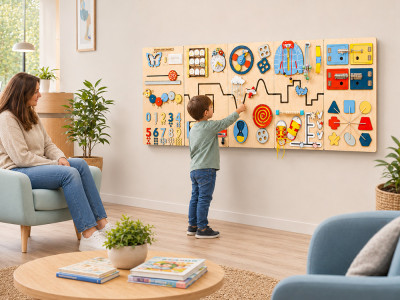
Whether you buy or build, the useful features are consistent. A well-made panel offers a mix of tactile and manipulative elements - things to slide, press, turn, latch, and trace - that build fine-motor control while holding attention. BumbleBeeSmart's buying guide on how to choose panels that engage without overwhelming is a sensible checklist: look for tactile variety, calming rather than visually frantic designs, and securely attached parts with no small pieces.
For a clinic specifically, prioritize:
- Calm over chaos. Muted palettes and slow, simple interactions suit anxious and easily-overwhelmed children better than a wall of flashing color.
- Tactile depth. Gears, sliders, latches, and textured surfaces give restless hands a job and provide grounding sensory input.
- Gentle feedback. If you want light or sound, keep it optional and soft. BumbleBeeSmart's interactive light-and-touch panels use immediate but low-key visual feedback rather than noise.
- Sound build quality. Smooth, rounded edges and sturdy components that survive a busy reception.
Why clinics choose wall-mounted panels over loose toys
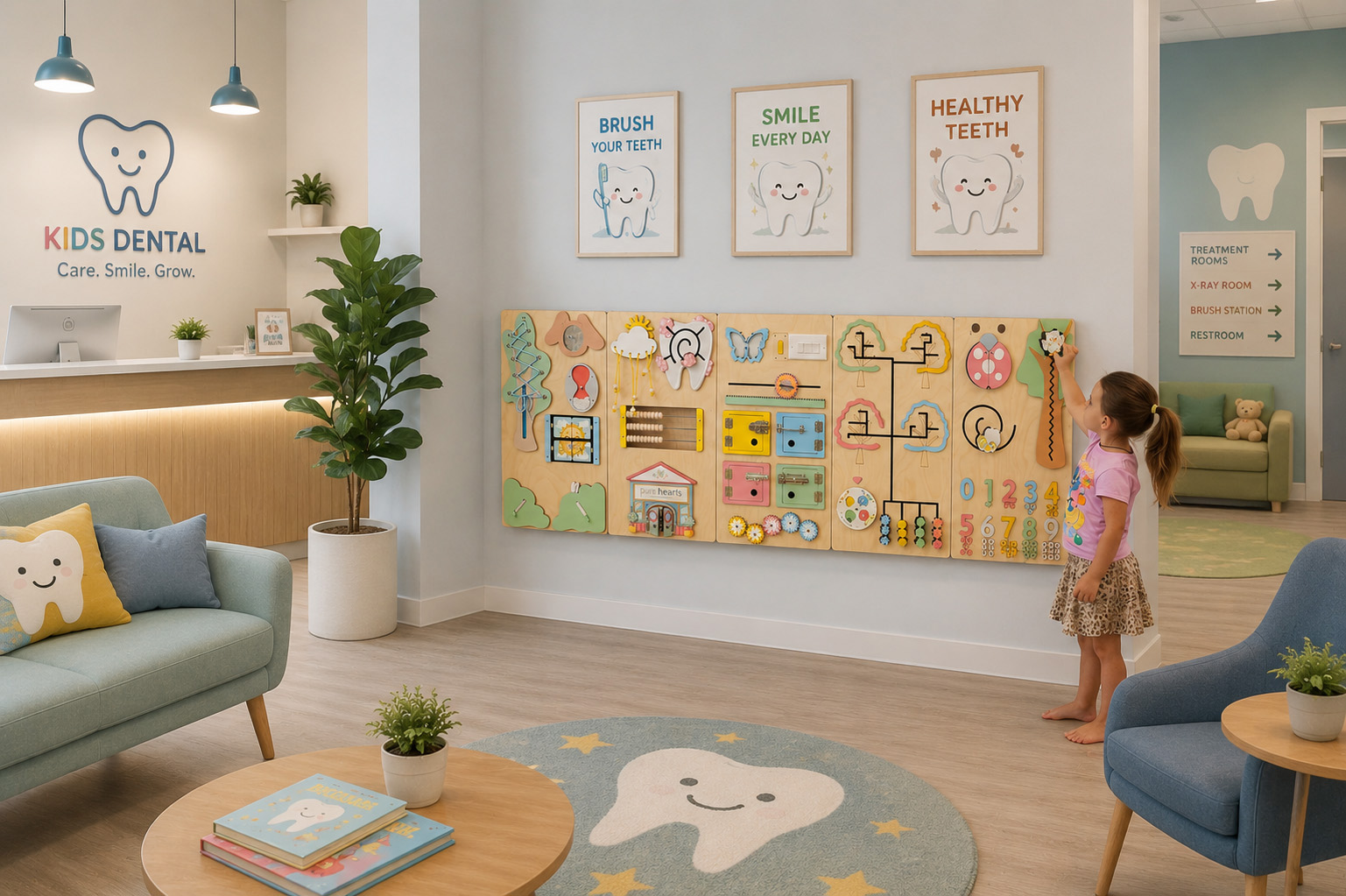
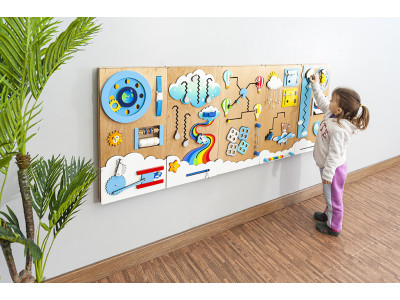
The waiting-room toy bin has three problems in a clinical setting: pieces go missing, everything has to be collected and sanitized, and it eats floor space. A wall-mounted panel answers all three. Because it's fixed, nothing gets lost or broken, it wipes down in place, and it keeps the floor clear in a tight operatory or a crowded reception.
Planning a waiting-room or operatory wall?
Start with the range built for high-use spaces — wall-mounted, modular, and made to wipe clean.
Benefits for pediatric dental practices
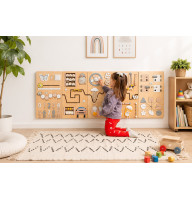
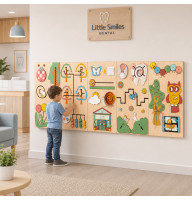
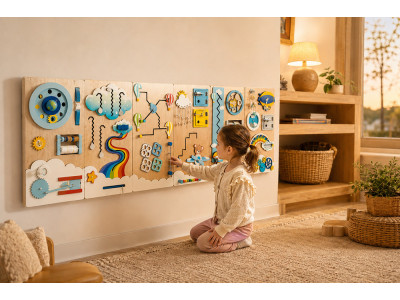
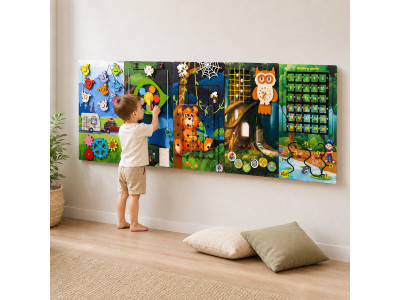
A pediatric or family dental office is the clearest fit. The waiting area is where a sensory wall earns its keep day to day - it absorbs nervous energy before the appointment and gives parents a hand. In the treatment room, a panel within reach can give a child somewhere to put their attention during care. BumbleBeeSmart's five-panel set built for dentist offices is configured for exactly these waiting and treatment areas, and is described as durable and easy to clean — the two properties that matter most where surfaces are touched all day.
Benefits for autism-friendly and special-care practices
Autistic patients are the group the research singles out as benefiting most, because the difficulty they have with dental care is closely tied to sensory over-responsivity. A calm, predictable tactile focal point can help a child self-regulate in a setting that otherwise overwhelms them. For these patients, BumbleBeeSmart groups its sensory wall panels for autism-friendly settings - therapy centers, sensory rooms, and pediatric clinics - and the practical advice is to lean toward calmer palettes and simpler interactions rather than the most stimulating option.
What about adult patients?
Most of this guide assumes a child in the chair, but the anxiety statistics above describe adults. A wall panel styled for four-year-olds does nothing for a nervous 70-year-old, and in a mixed practice it can read as slightly patronizing to the people sitting in reception.
Adult-scale panels solve this. They use muted colors and natural wood rather than primaries and cartoons. Elements are larger, which suits reduced grip strength or arthritis, and the mounting height fits seated or wheelchair use. Practices treating older adults, patients with dementia, or adults with special care needs often find these a better fit for a shared or second waiting area. BumbleBeeSmart's sensory wall panels for adults cover that range, and the same wipe-clean construction and secure fixing apply.
The practical question is simply who sits in your reception. A pediatric practice needs one wall. A family or special-care practice that sees both children and older adults may want two, mounted at two heights.
Waiting-room design ideas that actually work
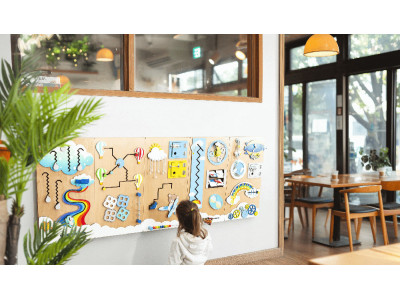
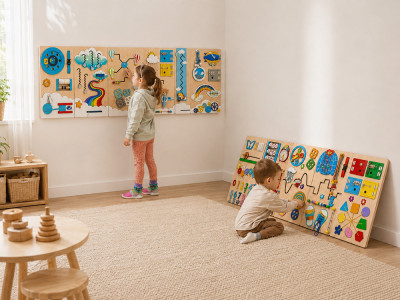
A few placement principles go a long way. Put the wall where children naturally wait and can reach it without climbing on furniture. In a mixed-age reception, mount panels at varying heights so a toddler and an eight-year-old can both use them. Keep the surrounding wall calm so the panel is the focal point rather than competing with busy décor. For more on arranging activity walls in reception areas — including clinics and other public spaces - BumbleBeeSmart's guide to decorating waiting-room walls with activity boards is a practical starting point.
Research into practice: turning the evidence into a spec sheet
The studies above point to specific, buyable features. Here's how the research maps onto what you'd actually look for on a product page.
This is also the honest framing for expectations: a panel delivers the tactile-and-visual part of the evidence-based approach. Pair it with the lighting and sound adjustments the trials used for the full effect.
Choosing the right sensory wall for your practice
Work backward from your space and your patients. Measure the wall. Decide between waiting area, treatment room, or both. Match the panel's intensity to your youngest and most sensitive patients, not the average child. Then check the practical must-haves - non-toxic materials, sturdy build, secure mounting - which BumbleBeeSmart's panel-selection guide lays out. Panels are modular, so you can size a configuration to the wall you have rather than forcing a fixed product into an awkward space.
Maintenance, cleaning, and installation
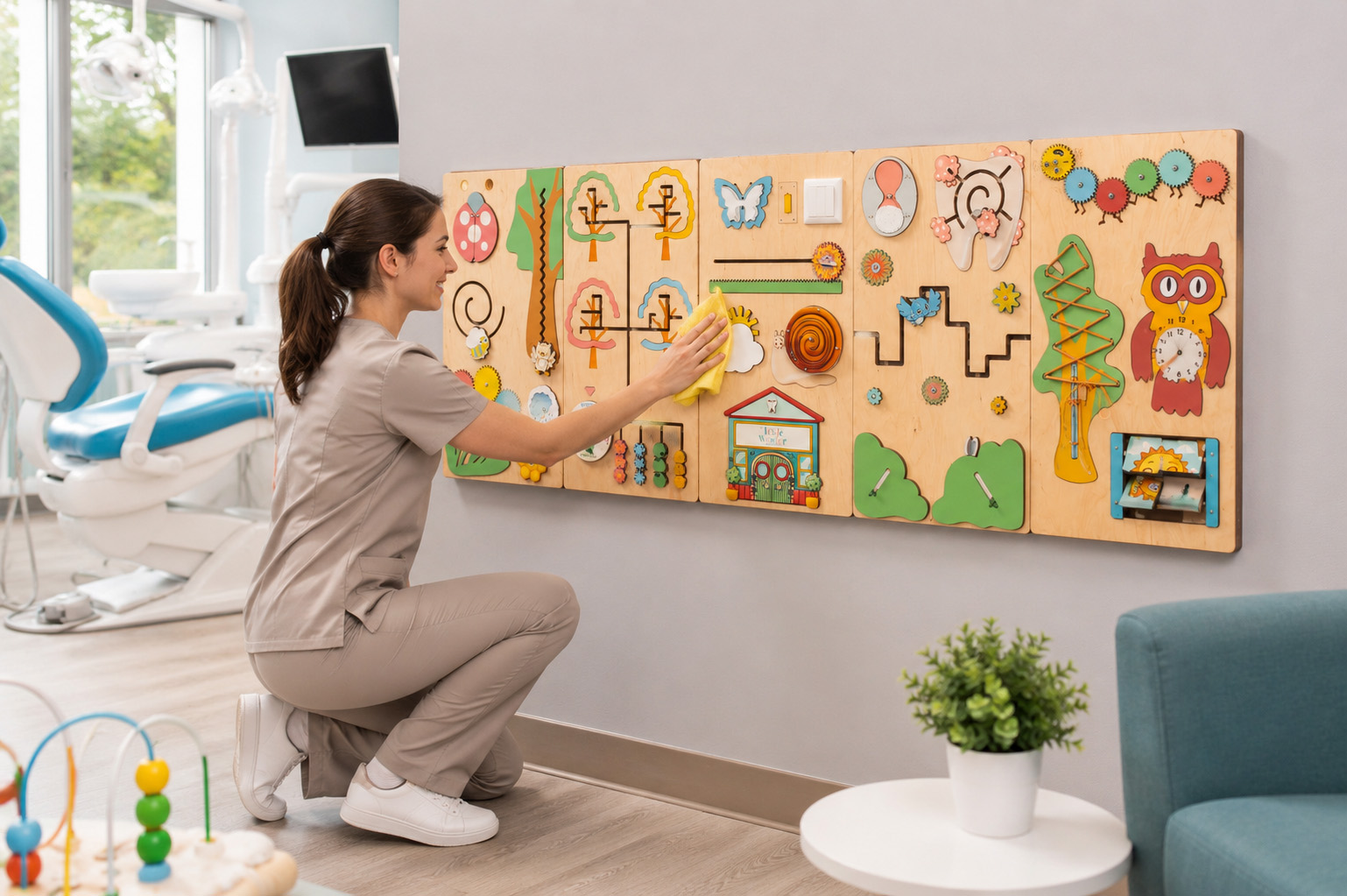
In a clinic, low maintenance is non-negotiable. Wall-mounted panels wipe clean with a damp cloth, and the fixed design means there are no loose parts to round up between patients. For installation specifics - mounting height for the age group, securing to drywall, brick, or wood, and routine checks of moving parts - BumbleBeeSmart publishes an installation and care manual, and a separate safety and childproofing guide covers materials, secure fixing, and age-appropriate setup. As a rule of thumb on space: because panels mount vertically, they don't add floor footprint - you only need a clear, stable stretch of wall.
Custom panels for your practice's brand
If you want the wall to fit your interior or reinforce your brand, panels can be made in custom colors. BumbleBeeSmart offers custom sensory wall panels in branded colors, with options for size, color, logo and activity mix - handy for a practice that wants a calming palette in reception or a cohesive look across rooms. The panels are handcrafted from birch plywood with child-safe, water-based finishes, which is the build quality you want in a space full of young, hand-to-mouth patients.
Who else benefits from a clinical sensory wall?
The dental waiting room is one use case among several. The same wall-mounted, wipe-clean approach suits a range of patient-facing settings:
- Pediatric and family dental offices, and orthodontic practices
- Autism-focused clinics and special-care dentistry
- Occupational and speech therapy rooms
- Pediatricians, family medical centers, and children's hospital waiting areas
- Memory care, geriatric and rehabilitation settings, using adult-scale panels
- Any reception where patients wait — and floor space is tight
Frequently Asked Questions About Sensory Wall Panels for Pediatric Dental Clinics
Are sensory wall panels safe for pediatric dental clinics?
Yes. Professionally manufactured sensory wall panels are built using child-safe materials, rounded edges and securely attached interactive components. When properly installed and regularly inspected, they are designed for daily use in pediatric dental clinics and other healthcare environments.
Can sensory wall panels help children with autism?
Yes. Although sensory wall panels are not a medical treatment, research suggests that sensory-adapted environments can help reduce stress and improve cooperation for many autistic children during dental visits. They work best as part of a thoughtfully designed sensory-friendly environment that minimizes sensory overload.
How often should sensory wall panels be cleaned?
Sensory wall panels should be cleaned according to your clinic's infection-control procedures. Durable wooden surfaces can be wiped clean between patients, while routine inspections help ensure that all interactive components remain securely attached and continue to function properly.
Can sensory wall panels be customized for different dental clinics?
Yes. BumbleBeeSmart offers modular sensory wall systems that can be customized to fit different wall sizes, clinic layouts, color themes and patient age groups. Additional panels can also be added later as your practice grows or your waiting room is expanded.
Why are wall-mounted sensory panels better than traditional waiting room toys?
Wall-mounted sensory panels save valuable floor space, reduce clutter, simplify cleaning and remain securely installed. Unlike loose toys, they provide durable, interactive activities designed specifically for busy healthcare environments while encouraging calm, screen-free play.
Do sensory walls work for adult dental patients?
A panel designed for children will not suit an anxious adult. Adult-scale panels use muted colors, larger elements and a higher mounting position, which makes them a better fit for family practices, special-care dentistry and clinics that treat older patients or people living with dementia. If your reception serves both age groups, two panels at two heights work better than one compromise.
Which sensory wall is recommended for pediatric dental waiting rooms?
For busy pediatric practices, a commercial-grade wall-mounted sensory system with durable wooden panels, securely attached interactive elements and easy-to-clean surfaces is recommended. The Sensory Wall of 5 Panels for Dentist Office was specifically designed for pediatric dental clinics, helping children stay engaged while making better use of waiting room space.
The bottom line
Sensory walls for dental clinics won't replace good chairside manner or the lighting and sound work that makes a room genuinely calm. But as one fixed, low-maintenance piece of a child-friendly practice, it does real work: it occupies restless waiting, gives anxious and sensory-sensitive children a focal point, and keeps the floor clear without a bin of toys to manage. If that fits your practice, the most useful next step is to look at configurations against your actual wall.
Research referenced
- 1. Stein Duker, Cermak et al. Sensory adaptations during dental visits in autistic children: a randomized crossover trial. JAMA Network Open, 2023.
- 2. Prynda et al. Dental adaptation strategies for children with ASD: a systematic review of randomized trials. Journal of Clinical Medicine, 2024.
- 3. White, Giblin & Boyd. The prevalence of dental anxiety in dental practice settings. Journal of Dental Hygiene, 2017.
- 4. Konneker et al. On the origin of dental anxiety and coping strategies. Frontiers in Oral Health, 2025.
Educational guide from the BumbleBeeSmart blog. Product details reflect what the linked pages state; clinical claims reflect the cited research. Not medical advice.




Write a comment